Pencils are the foundation of creativity. From writing first letters to sketching detailed scenes, they help us capture ideas on paper. This collection features 36 unique pencil illustrations organized across six structured themes.
Browse By Theme
Inside, you will find writing actions, pencil variations, patterned arrangements, celebratory awards, artistic creations, and simple side-by-side comparisons. Each design is crafted with clean, bold outlines to provide a smooth coloring experience for both children and adults.
How to Print
Every coloring sheet in this collection is a high-resolution, letter-size, print-ready PDF — and you have two easy ways to use them. If you’re new to printing coloring pages, our step-by-step guide on how to print coloring pages at home walks you through everything you need to know.
Pencil Writing on Paper
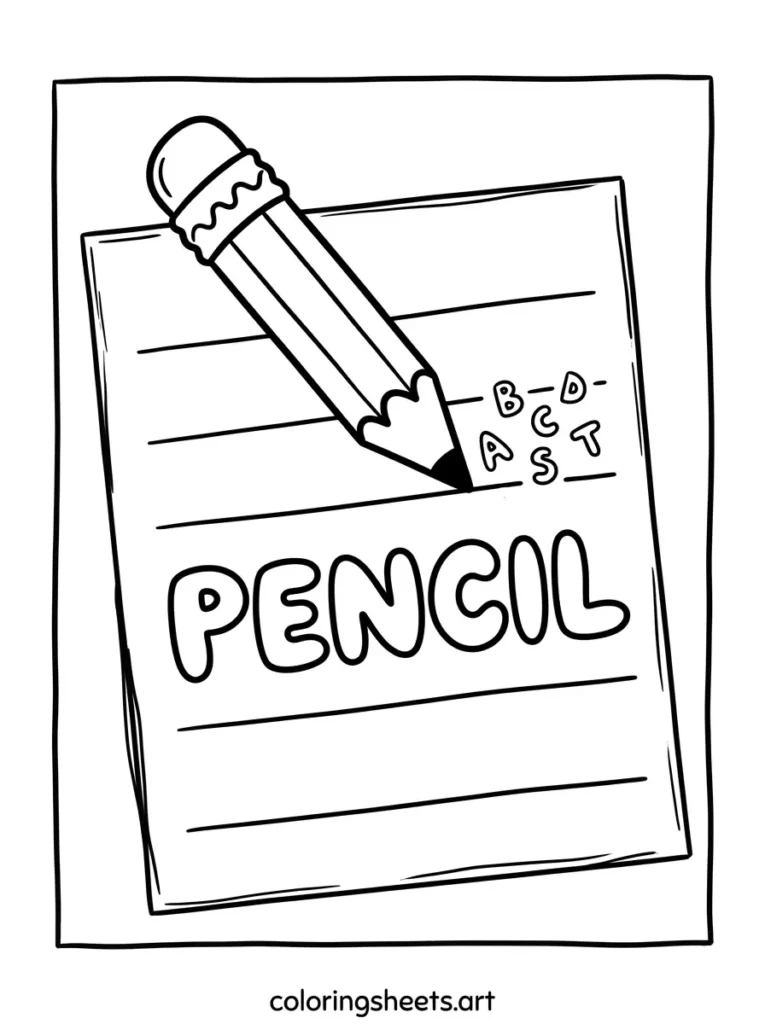
A pencil writing on lined paper featuring bubble letters.
Pencil Drawing a Smiling Face
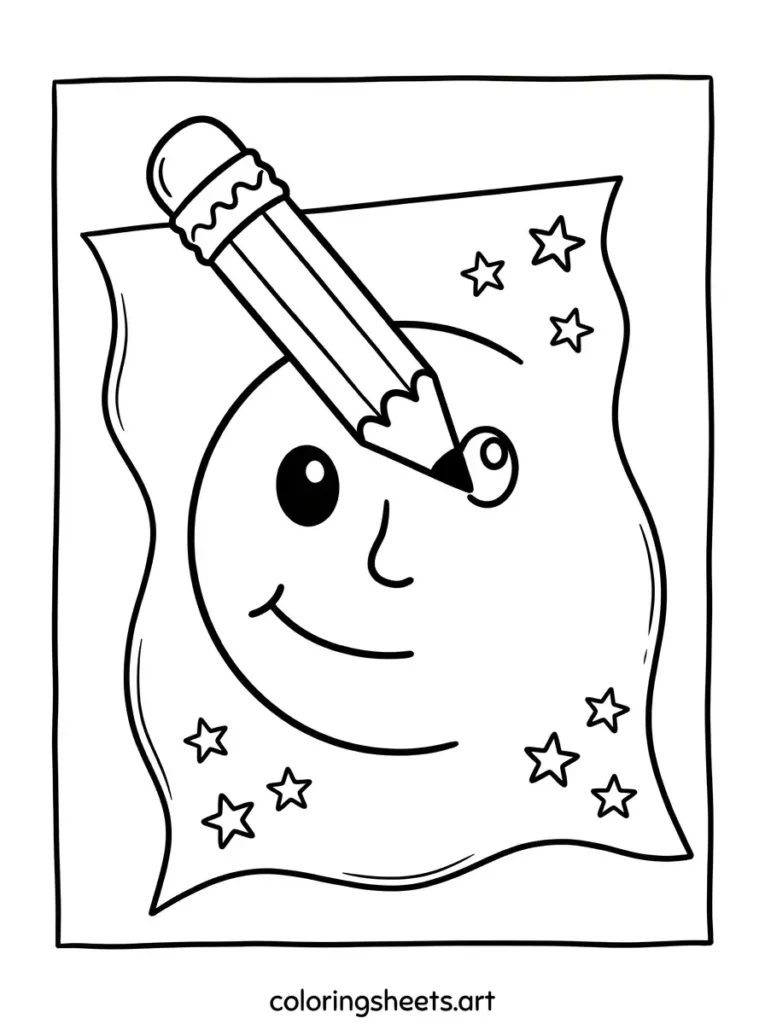
A tilted pencil sketching a happy smiling face on paper.
Pencil Sketching a Flower
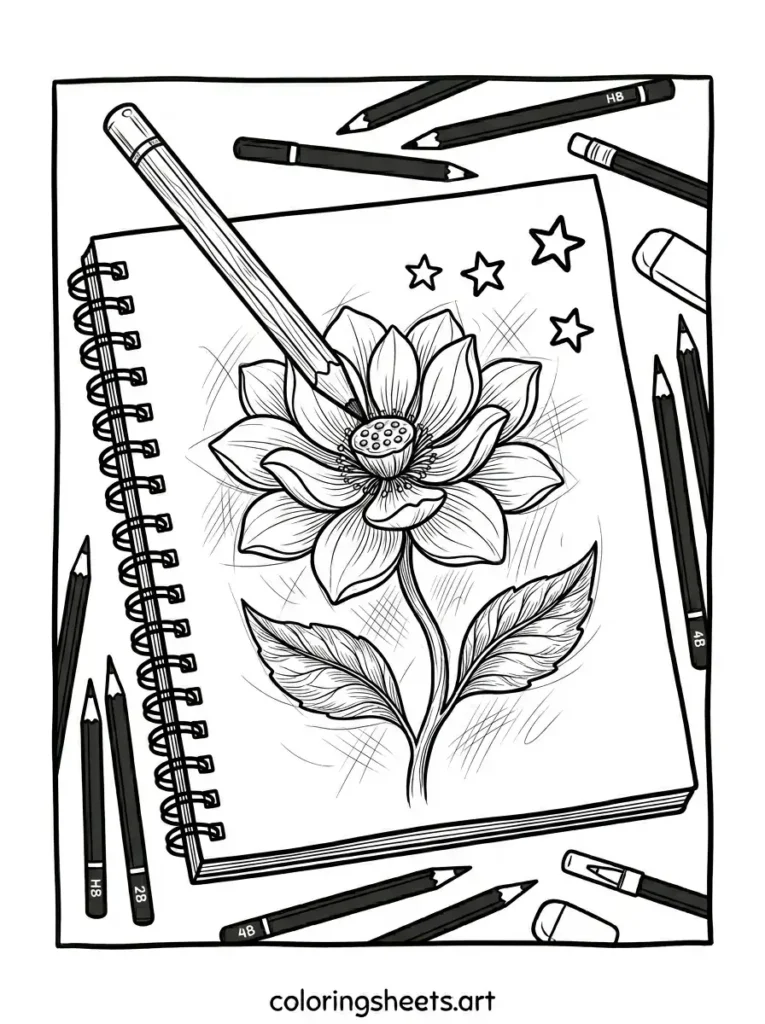
A drawing pencil sketching a flower inside an open sketchbook.
Pencil Writing ABC Letters
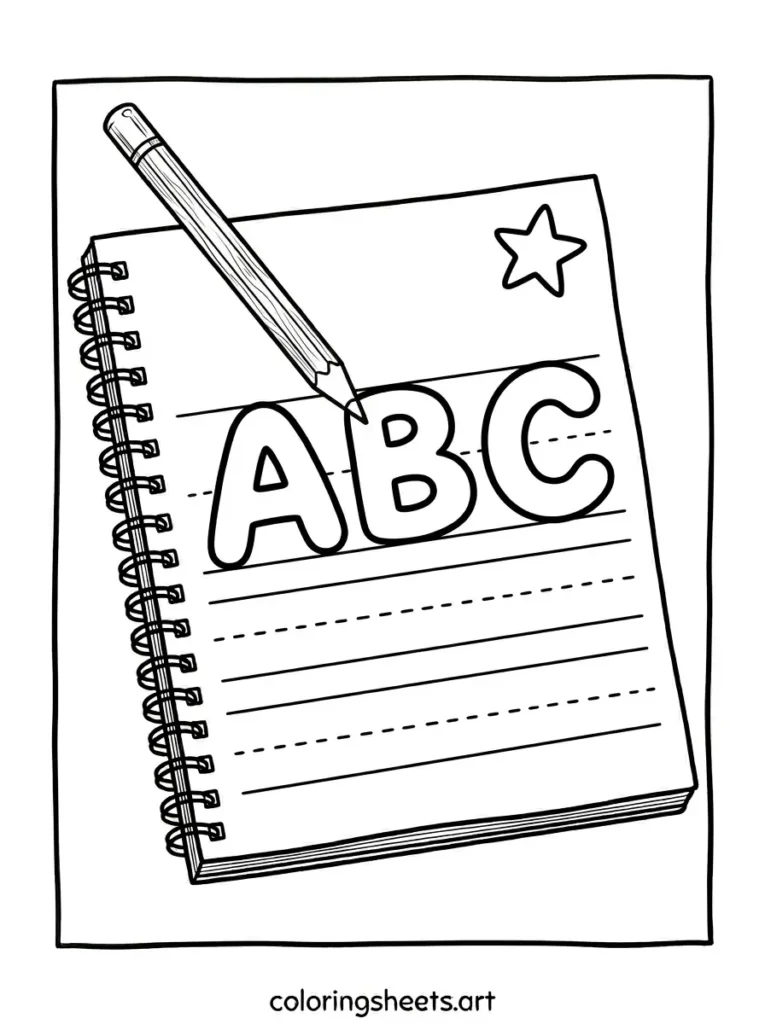
A pencil pointing to bubble letters A B C on lined practice paper.
Pencil Drawing a House
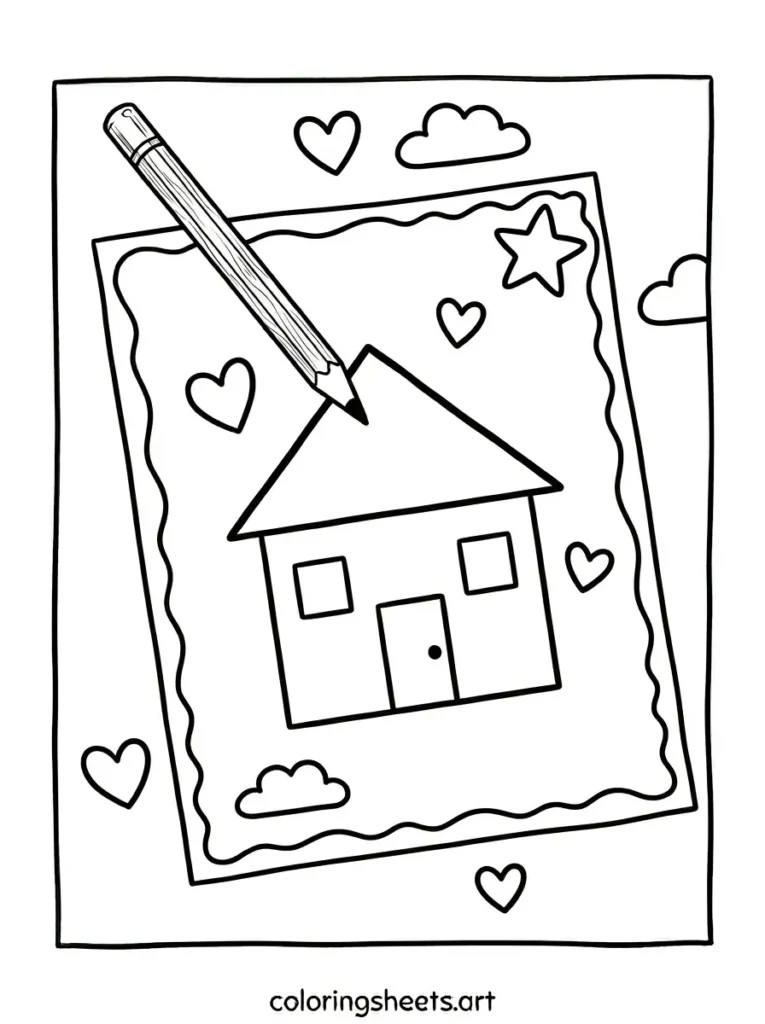
A pencil outlining a simple house drawing on paper.
Pencil Drawing a Star
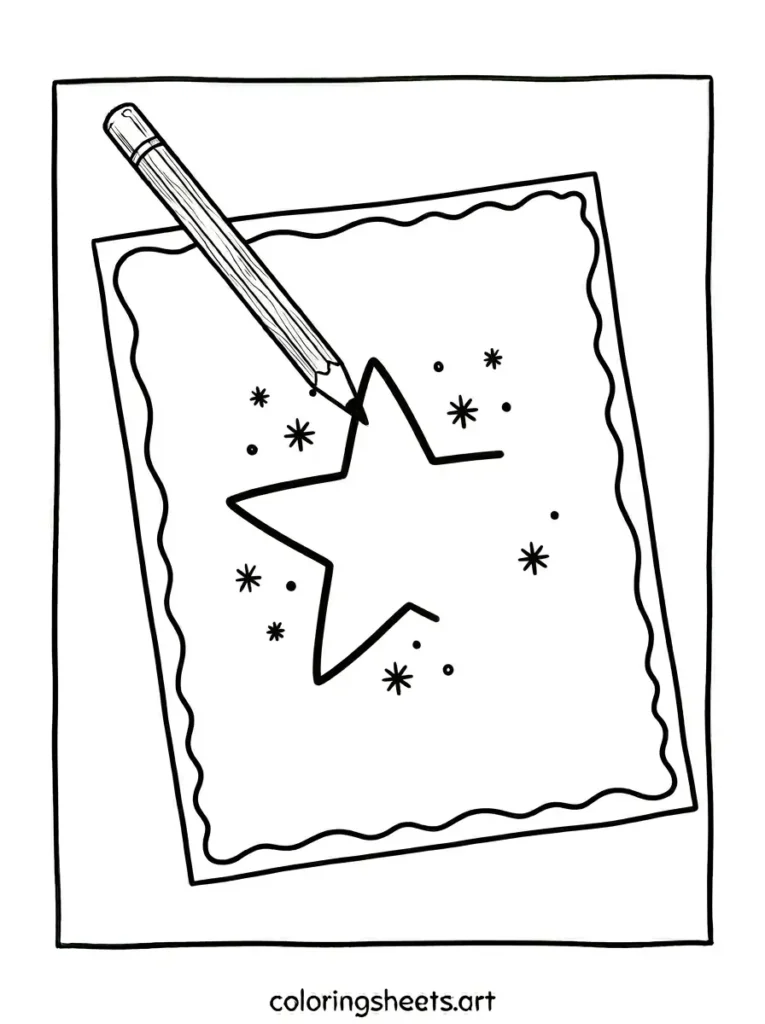
A pencil tracing out a five-pointed star on blank paper.
Pencil Types & Textures
Not all pencils are the same! This educational set covers graphite grades (2H to 4B), a patterned set of 12, mechanical pencil parts, carpenter pencil, jumbo pencil, and pastel vs. graphite. They color AND teach. These pair perfectly with our school supplies coloring pages. According to the American Art Therapy Association, coloring builds kids’ focus and fine motor skills.
Graphite Pencil Gradation Scale
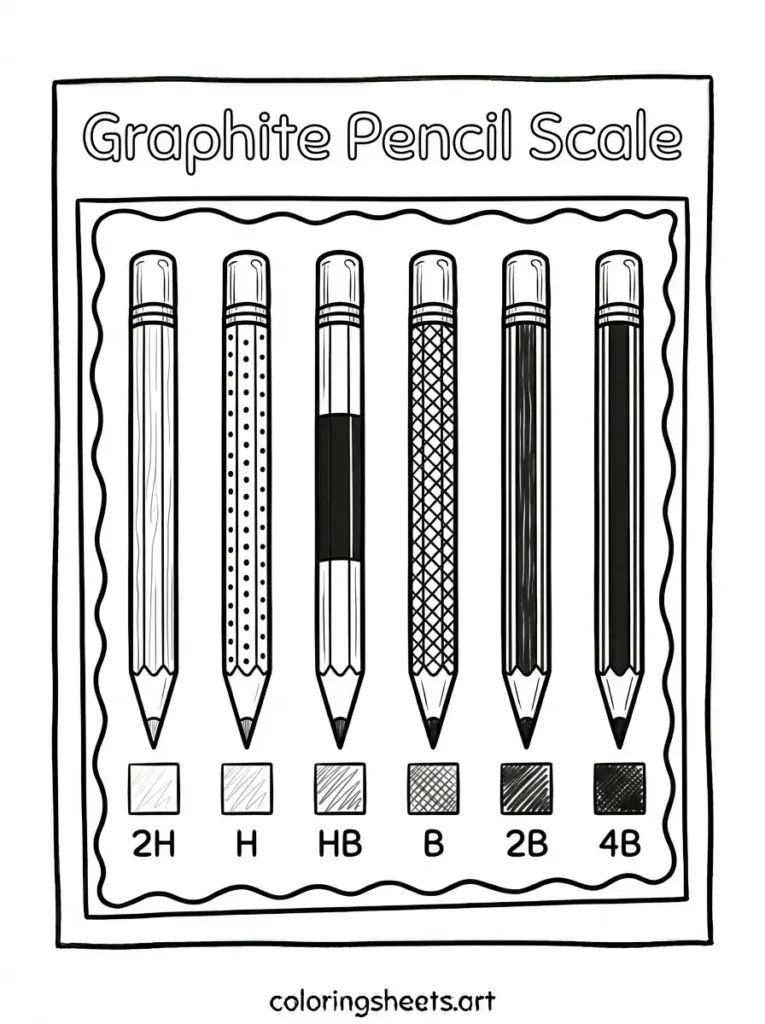
A comparison scale showing six graphite pencils from 2H to 4B.
Set of 12 Patterned Pencils
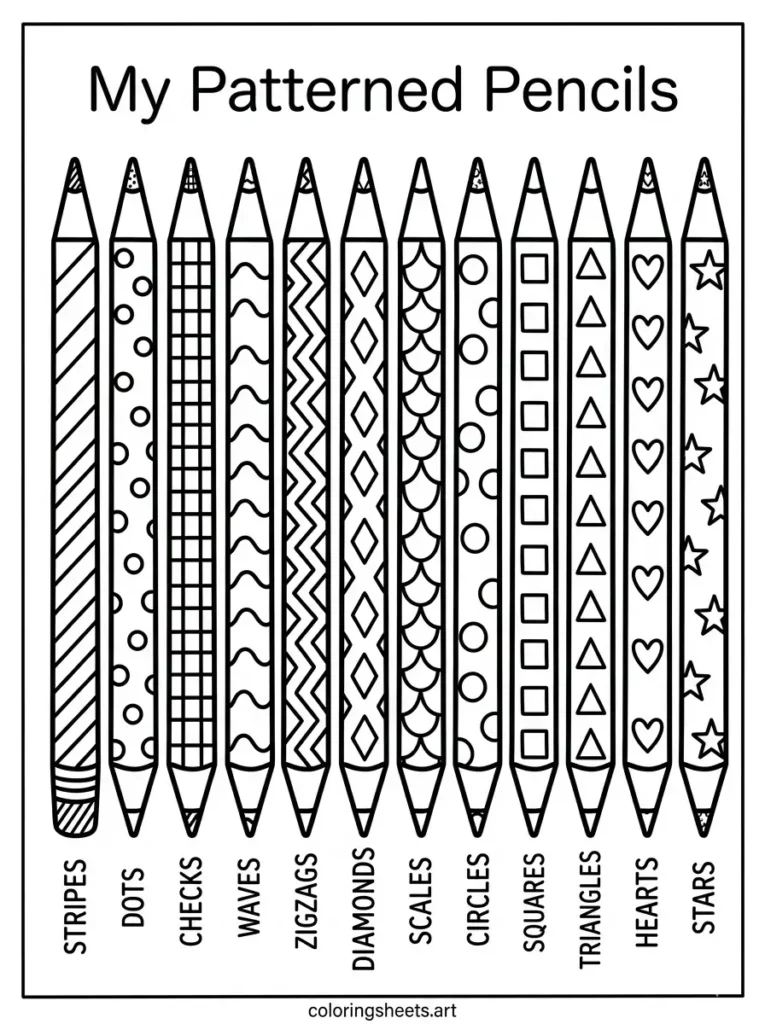
Twelve pencils displayed side-by-side with distinct decorative body patterns.
Mechanical Pencil Parts Diagram
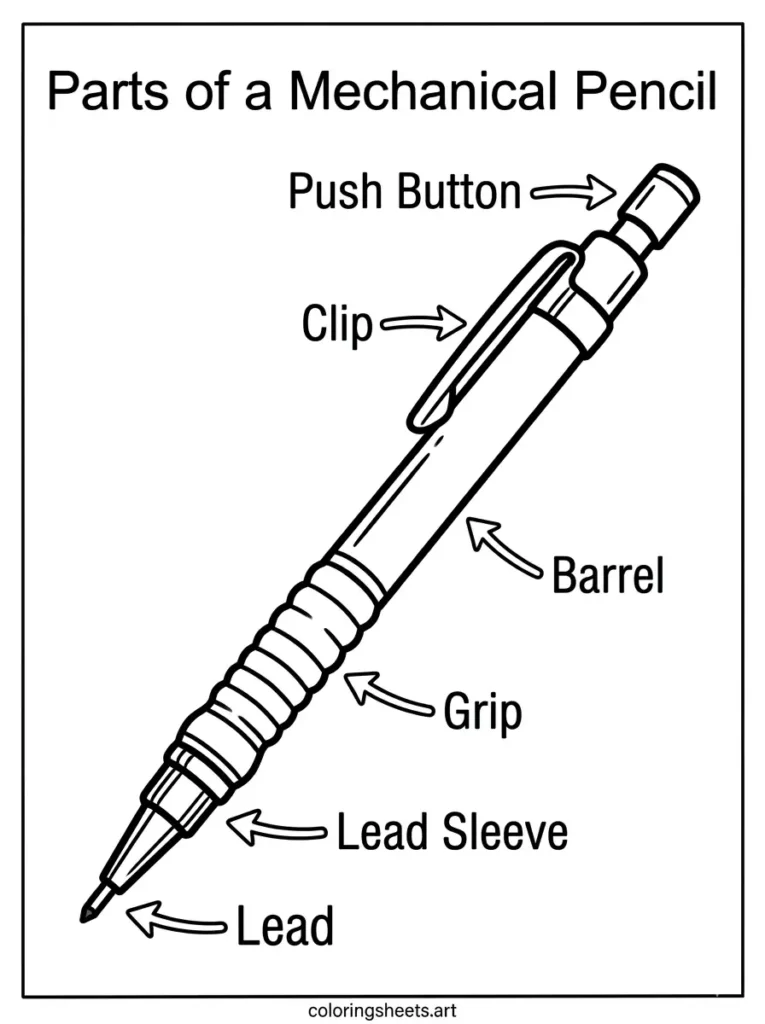
Diagram of a mechanical pencil showing labeled structural parts.
Flat Carpenter Pencil
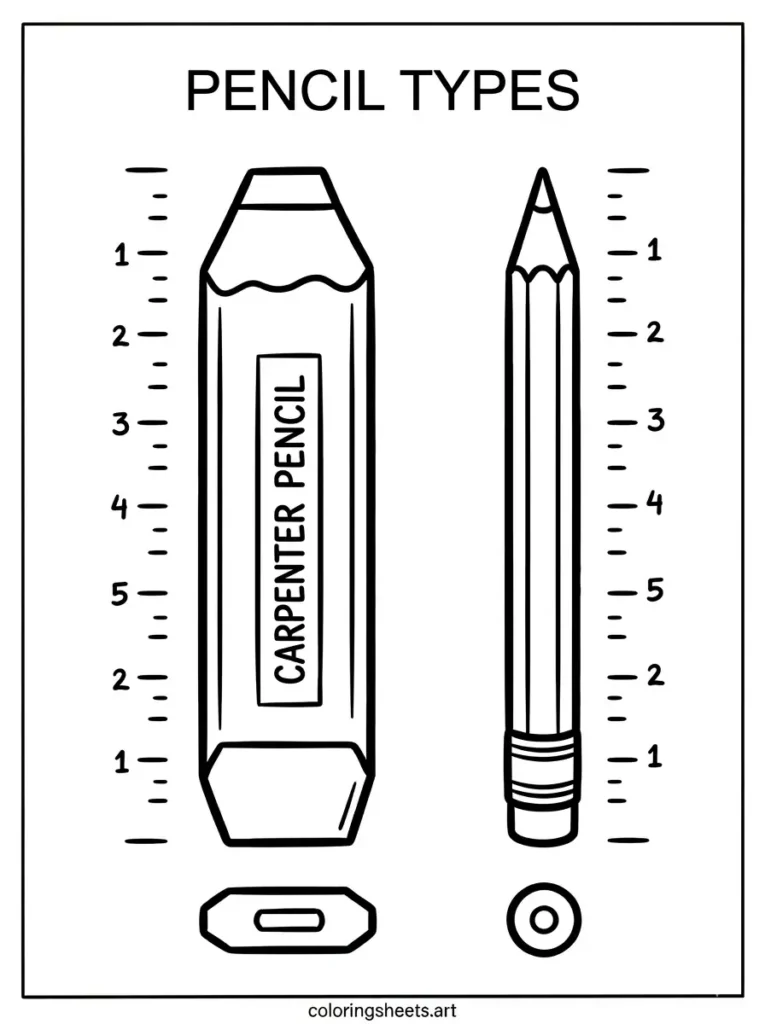
Side-by-side view comparing a flat carpenter pencil with a standard pencil.
Jumbo Thick Pencil
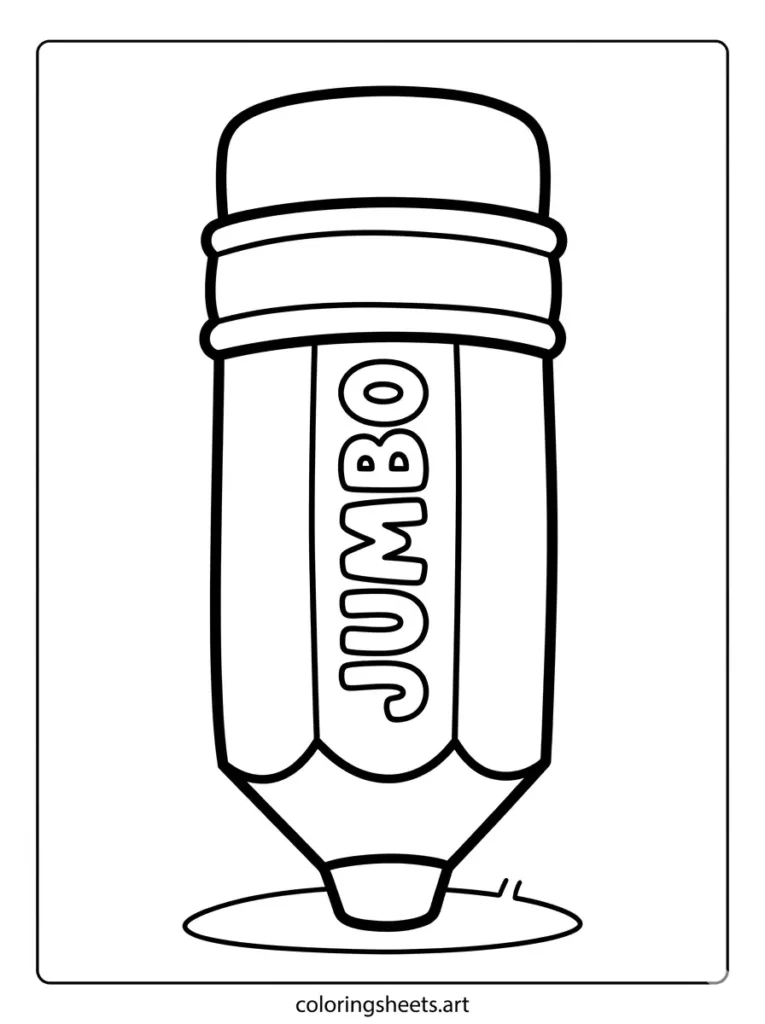
A wide jumbo pencil with large proportions and a thick eraser top.
Pastel Pencil vs Graphite Pencil
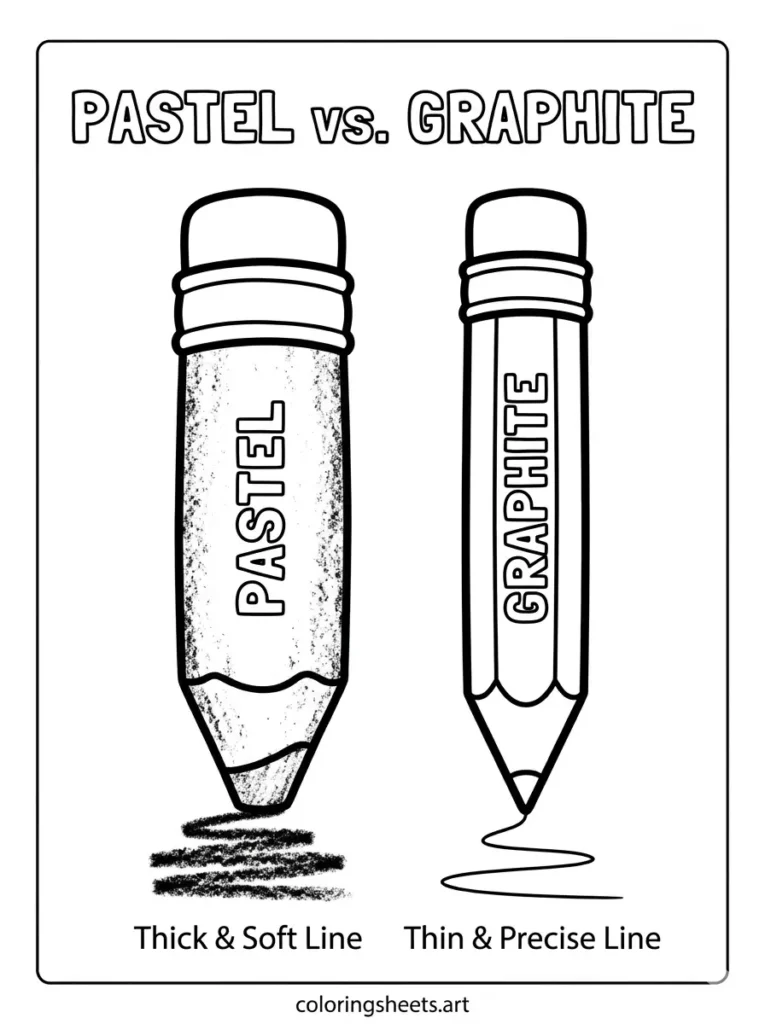
Side-by-side comparison illustrating a pastel pencil next to a graphite pencil.
Pencil Arrangements
Five Pencils in a Row
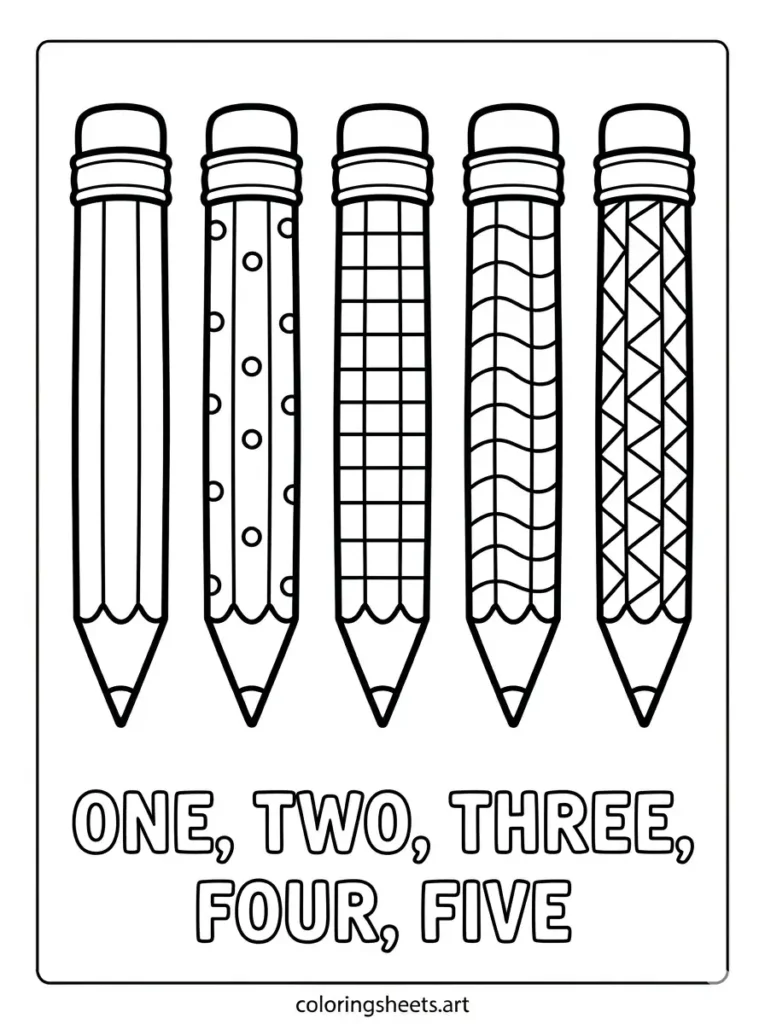
Five pencils arranged horizontally, each featuring a unique pattern.
Fan Shape Pencil Arrangement
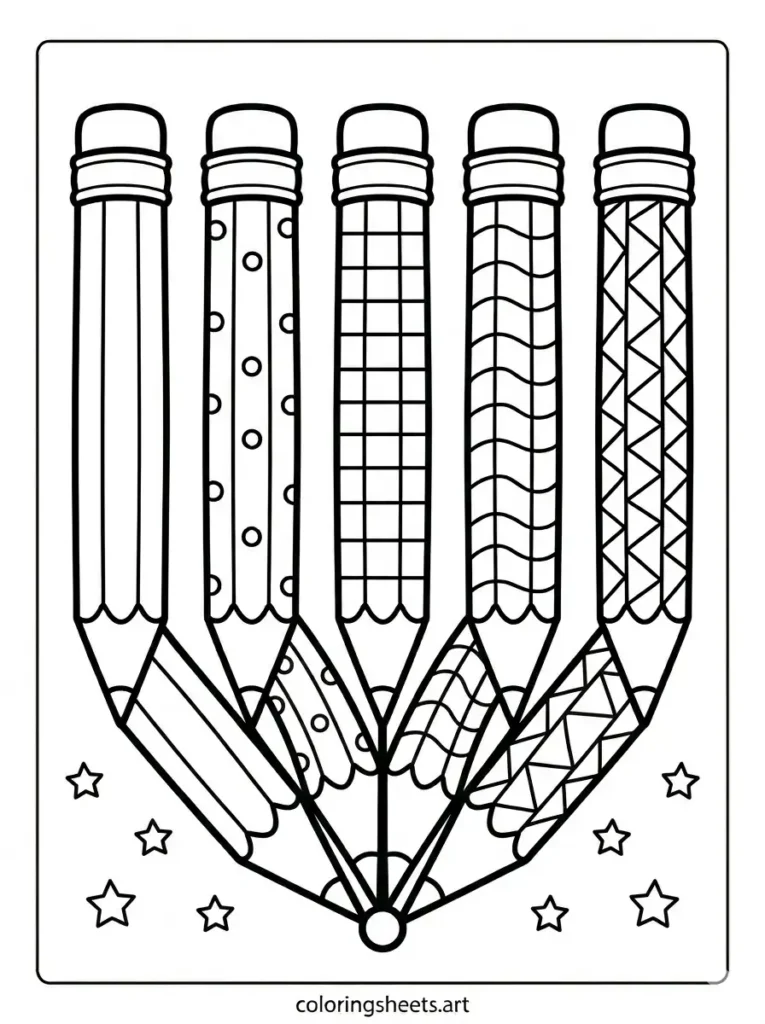
Six decorative pencils radiating outward in a fan arrangement.
Pencil Circle Mandala
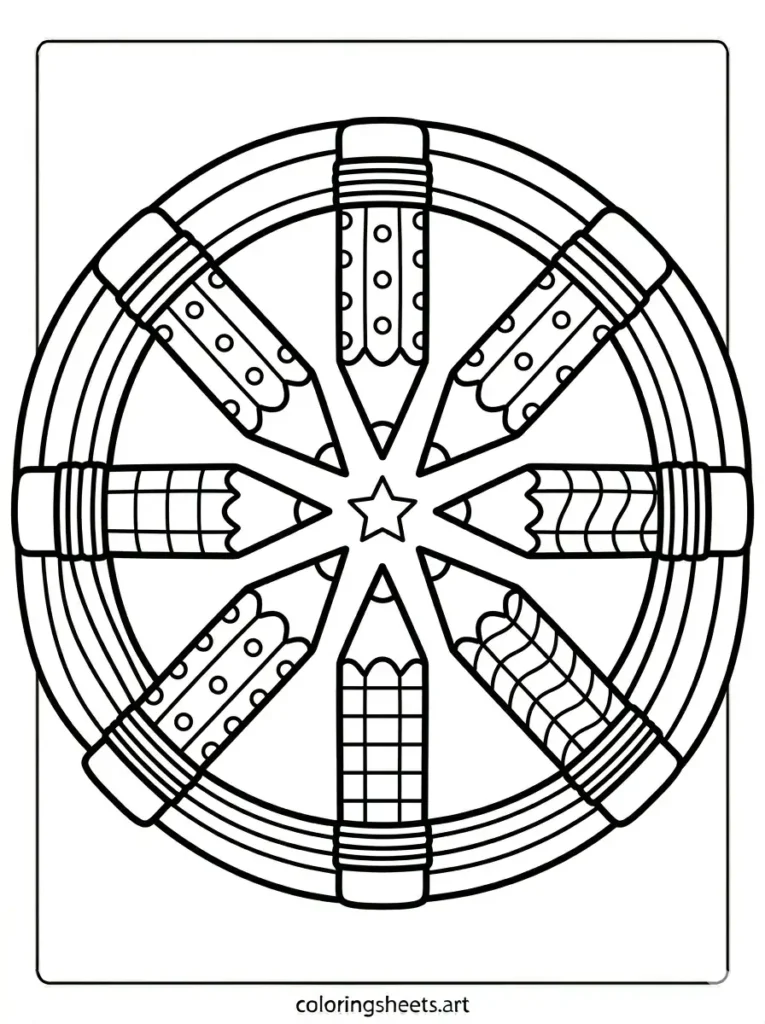
Eight pencils forming a symmetrical circular mandala pattern.
Pencil Pyramid Stack
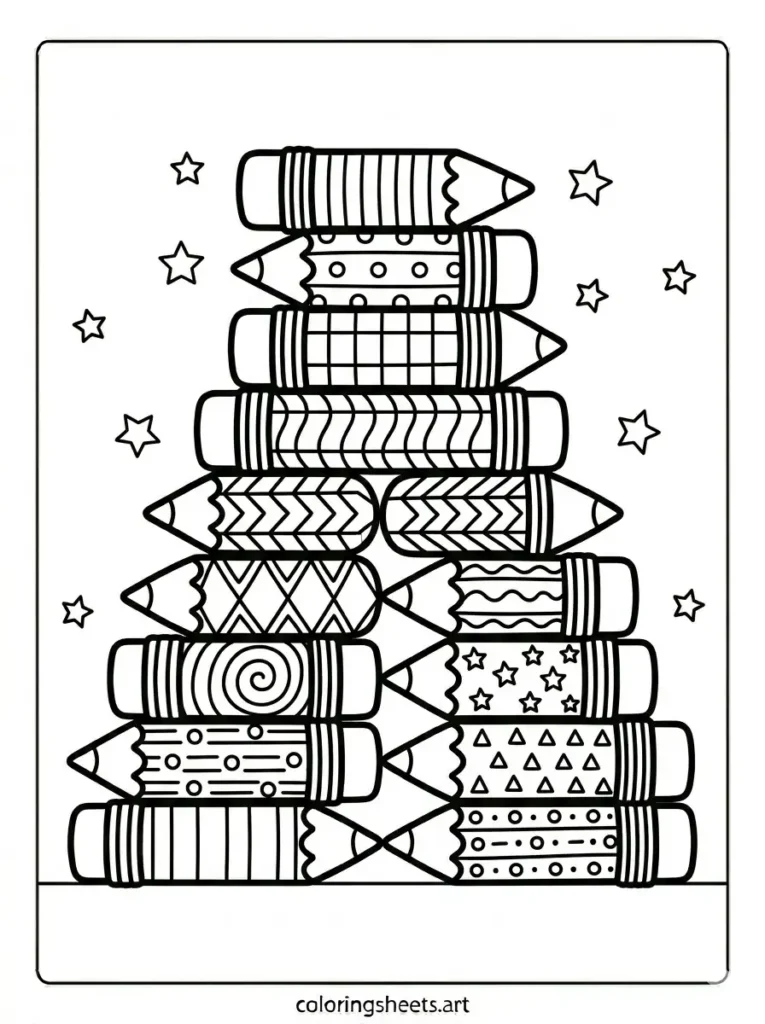
Ten pencils stacked horizontally to form a pyramid structure.
Wavy Line Pencil Path
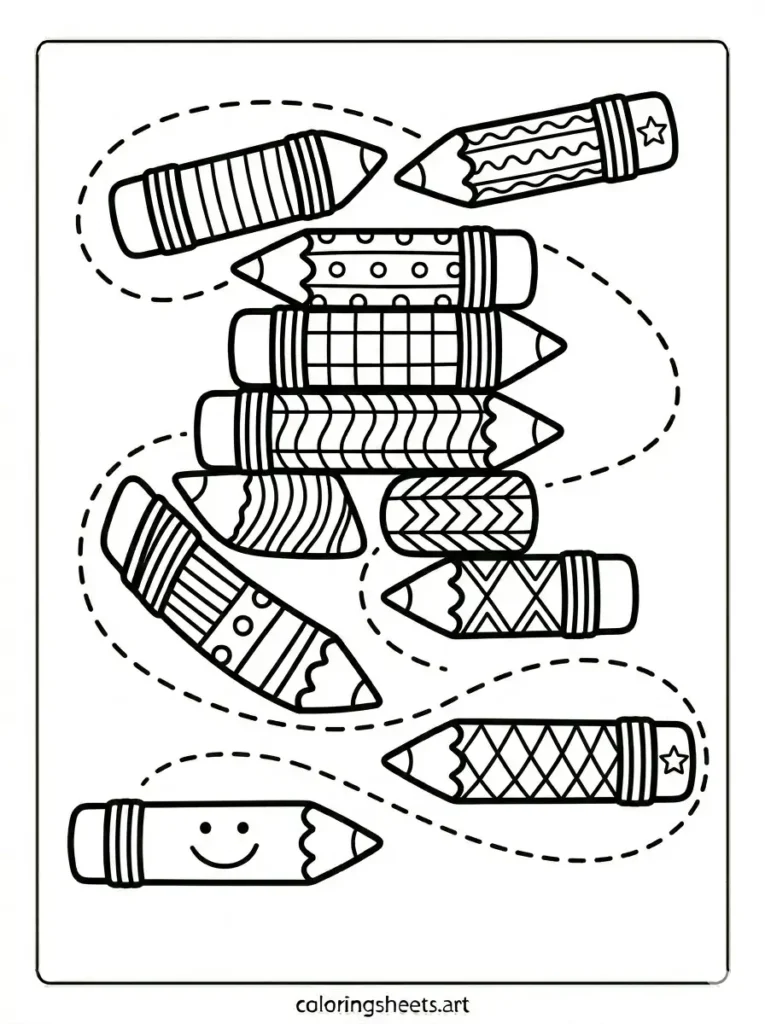
Seven pencils arranged sequentially along a curved path.
Pencil Starburst Design
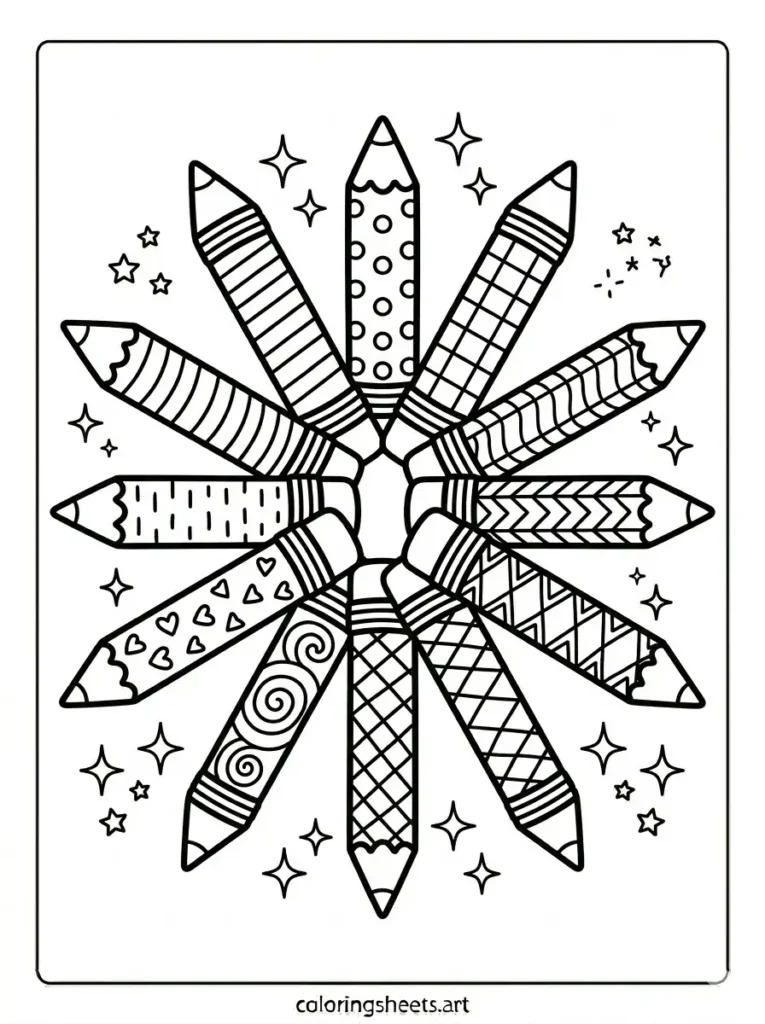
Twelve pencils radiating outward from a central point in a starburst layout.
Pencil Achievements
First Place Pencil Trophy
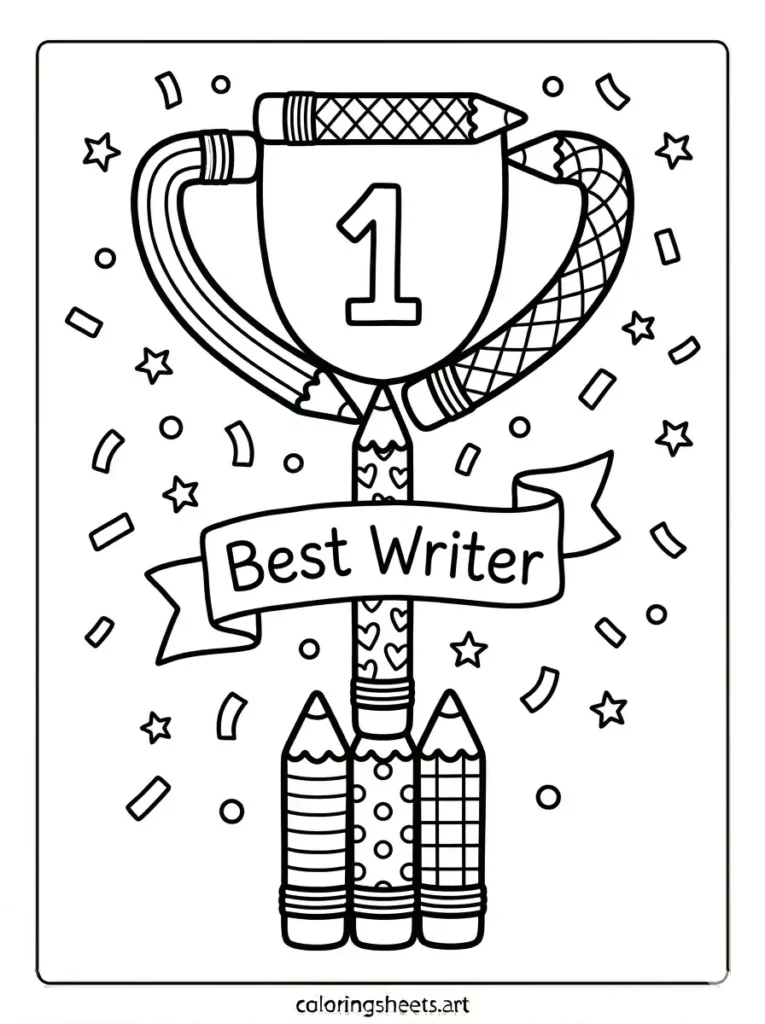
A award trophy formed entirely out of pencil shapes.
Pencil with Award Ribbon
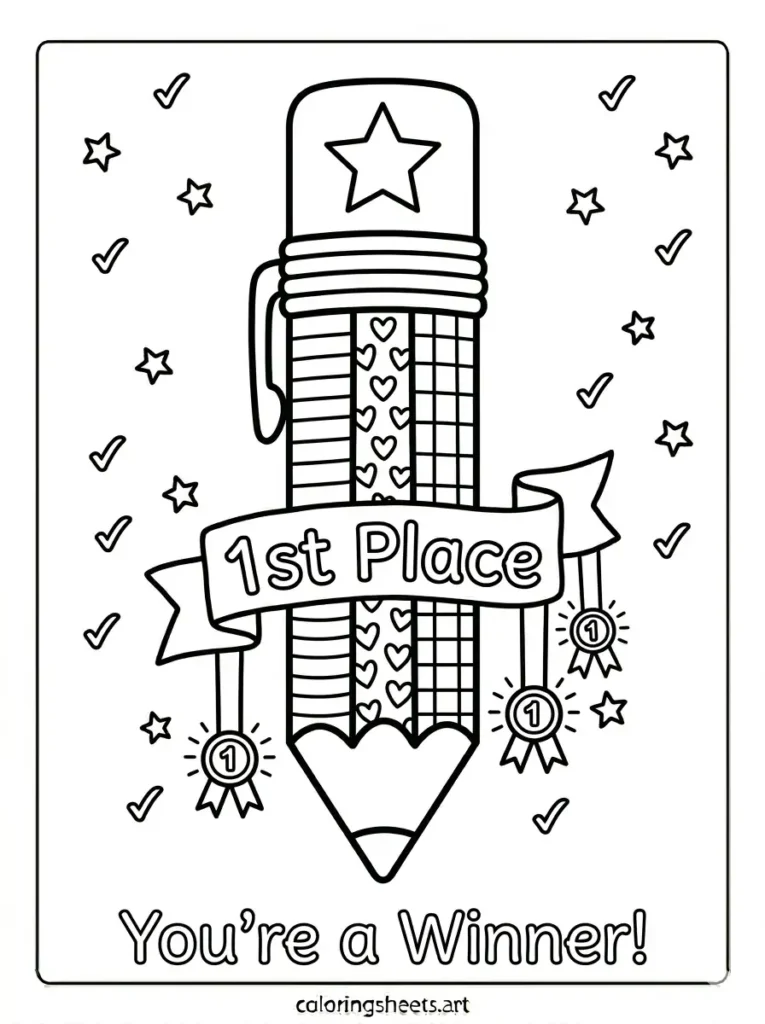
An upright pencil decorated with a 1st Place award ribbon.
Graduation Cap Pencil
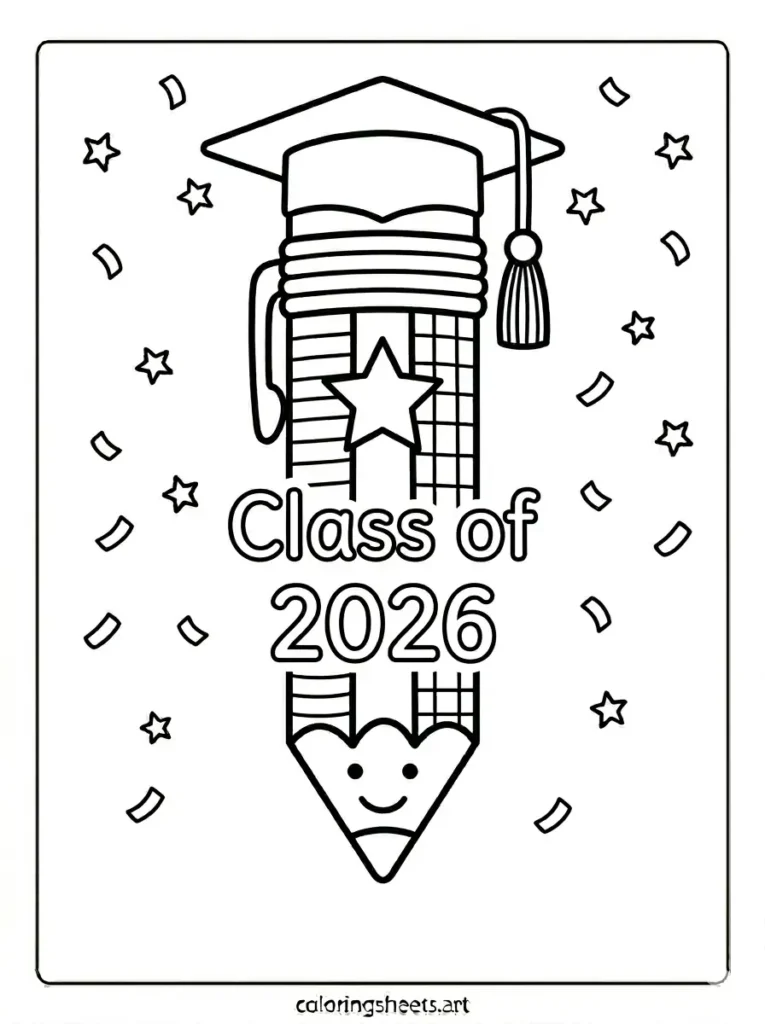
A character pencil wearing a traditional graduation cap on its eraser.
Star Student Pencil
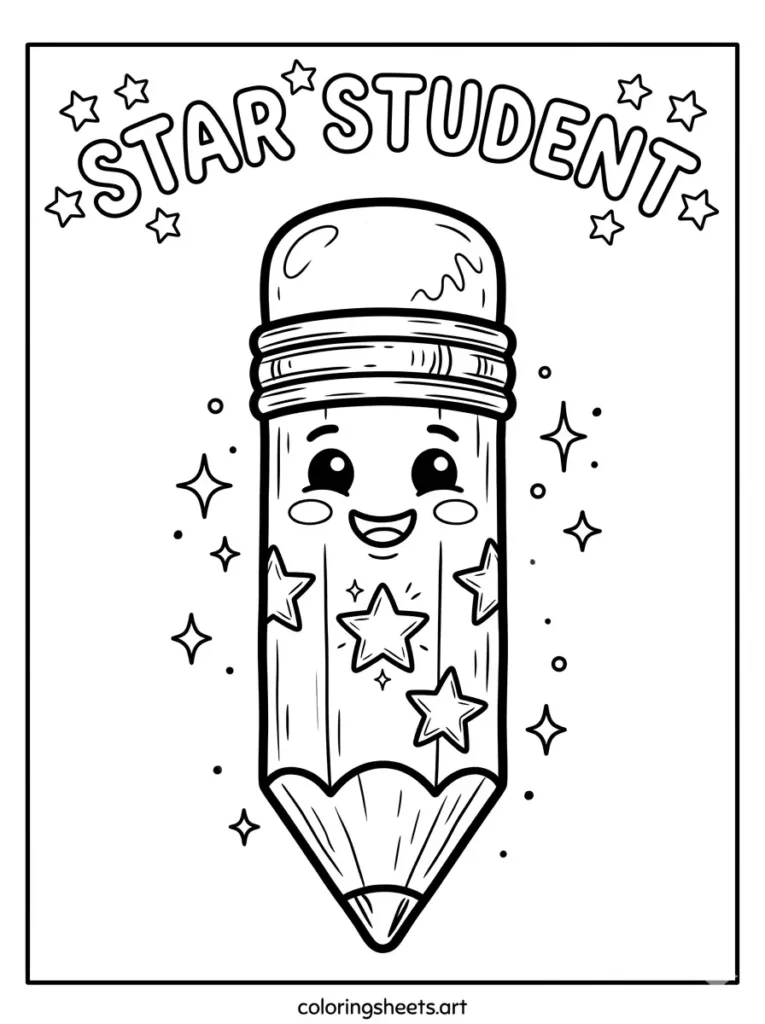
A cheerful pencil surrounded by decorative star icons.
Pencil Certificate Frame
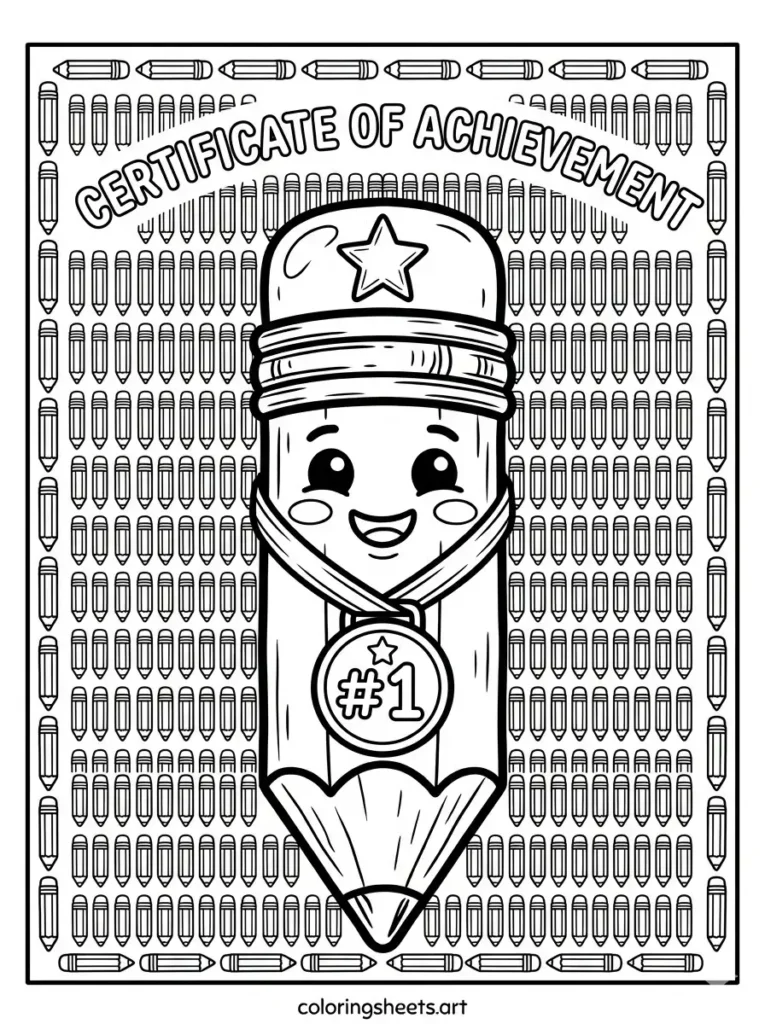
An achievement certificate layout bordered by pencil graphics.
Pencil Display Case
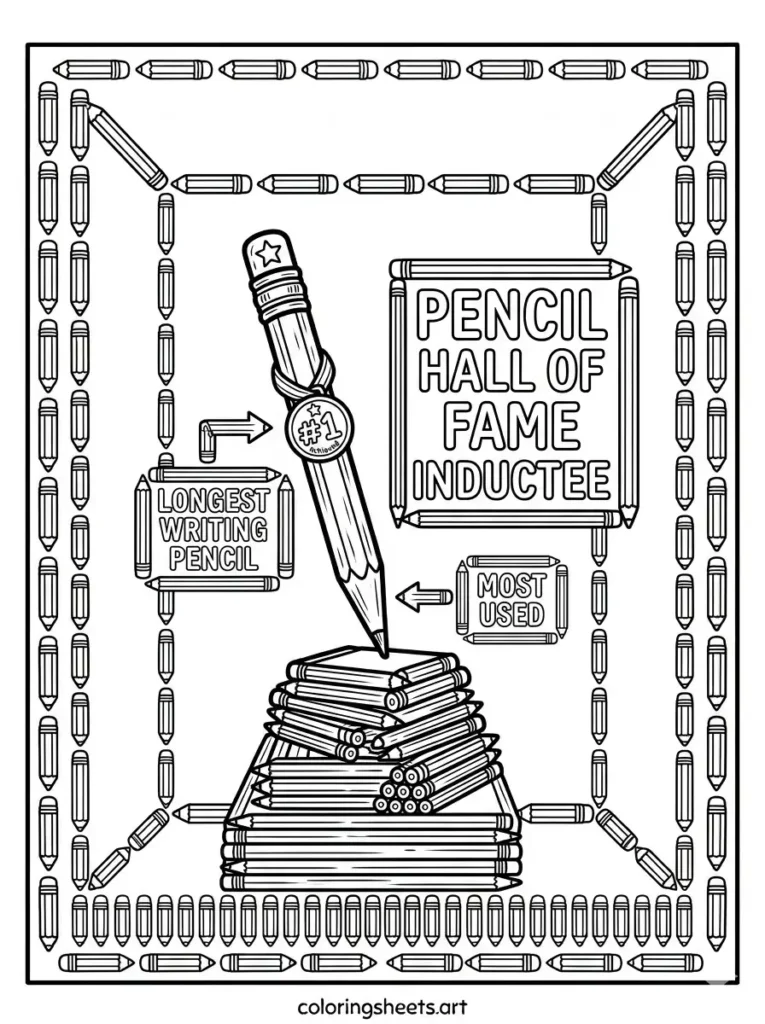
A pencil displayed inside a decorative exhibit frame.
Pencil Art Creations
Pencil Sketching Another Pencil
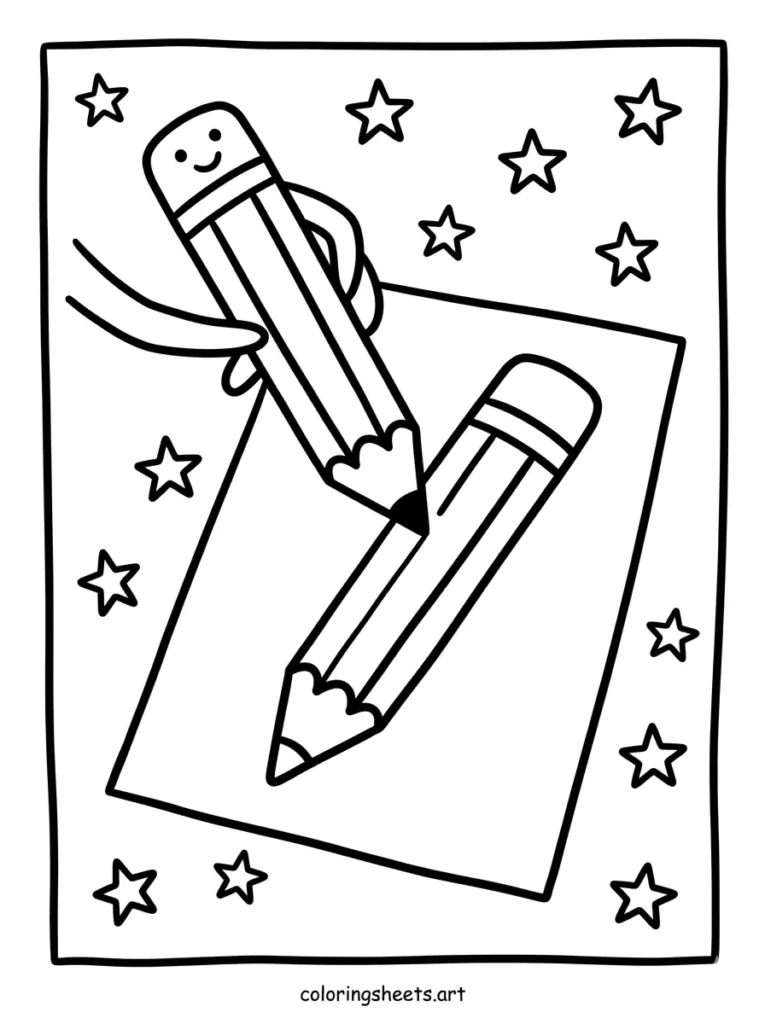
A pencil drawing an outline of another pencil on blank paper.
Pencil Self-Portrait Sketch
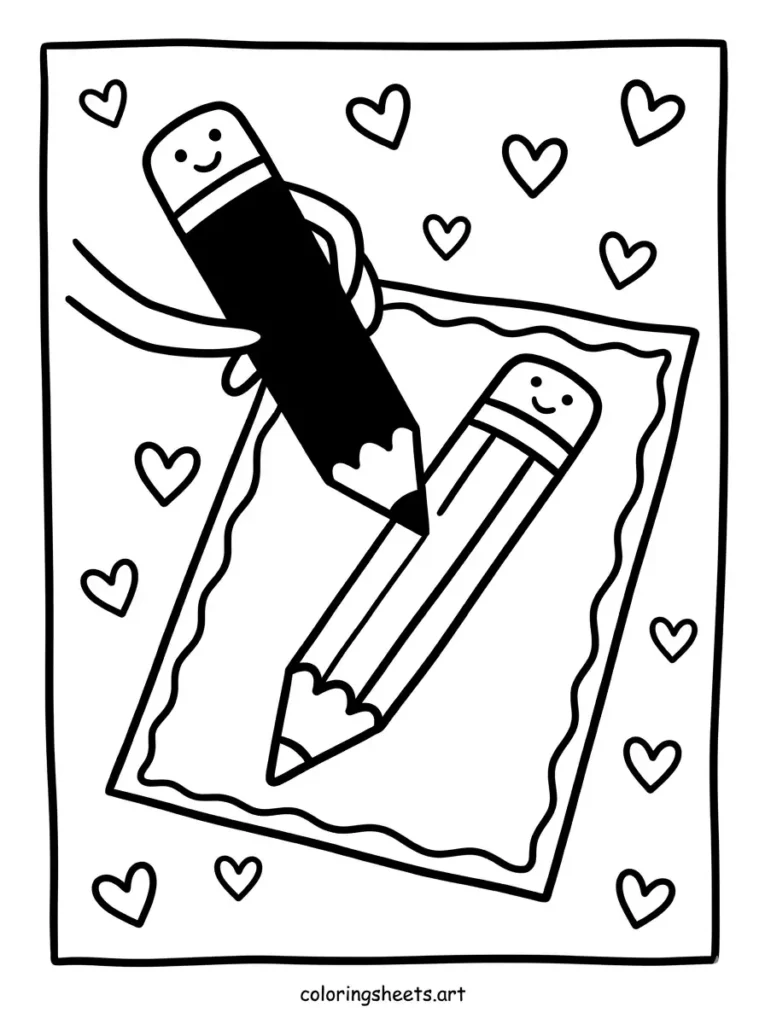
A pencil standing beside a finished portrait drawing of itself.
Pencil Cluster Still Life
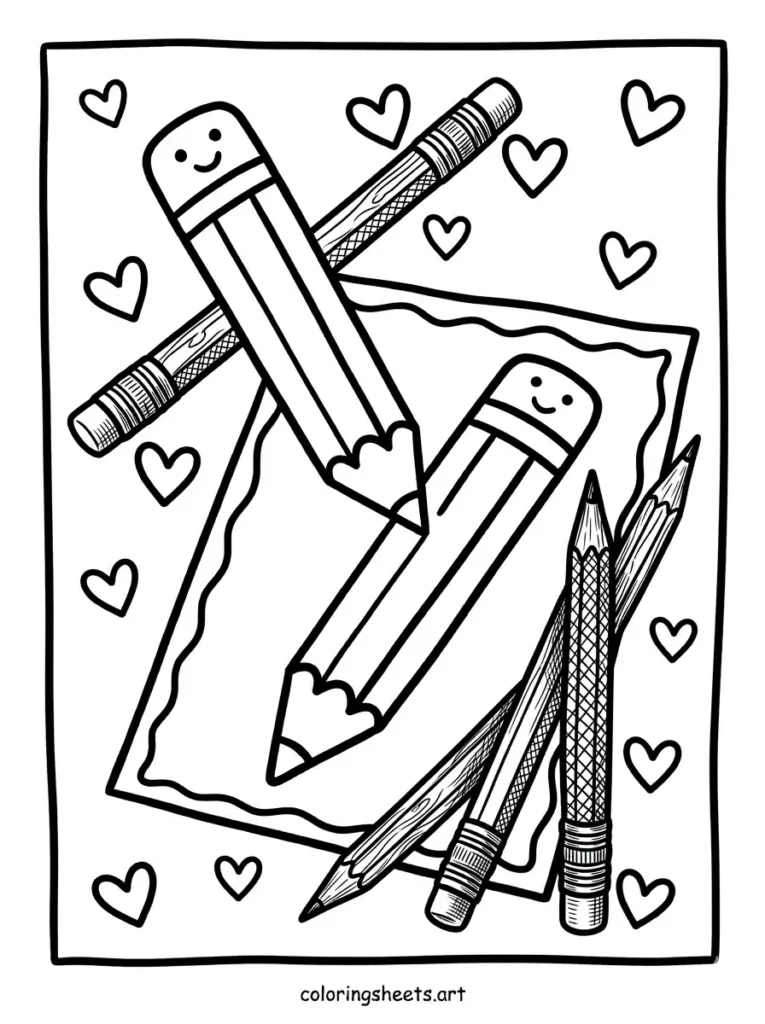
A still life line drawing featuring a cluster of three pencils.
Grid Pencil Pattern
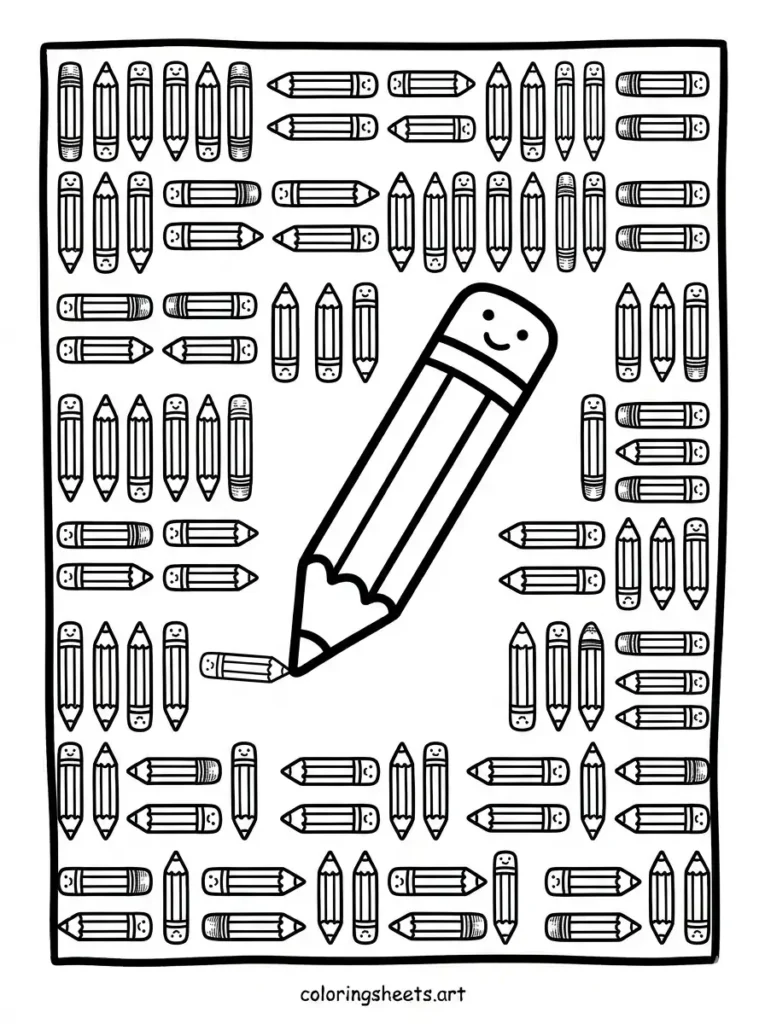
A seamless grid pattern made of repeating pencil outlines.
Intricate Pencil Mandala
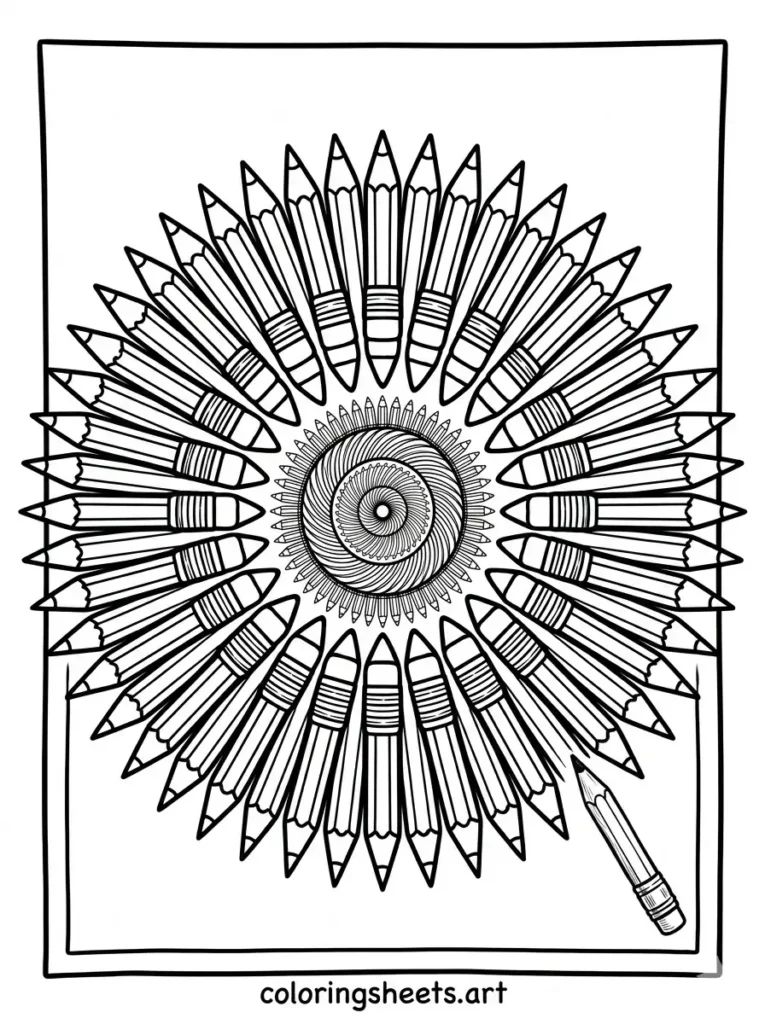
A circular mandala design constructed using repeating pencil shapes.
Pencil Landscape Drawing
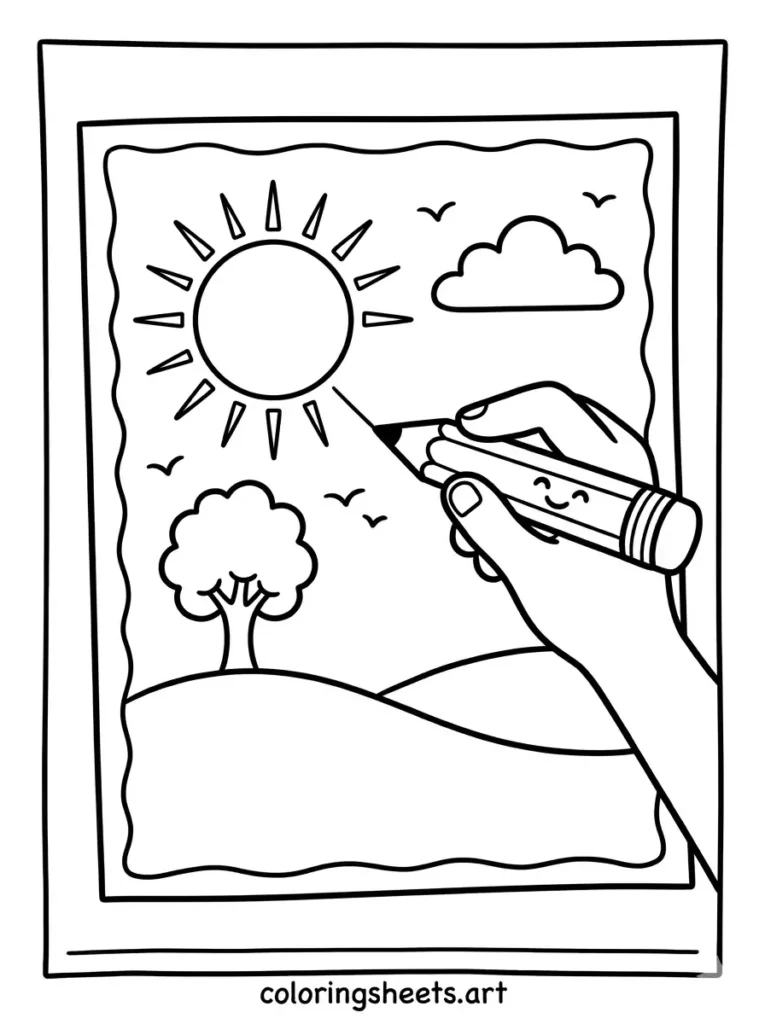
A pencil outlining a basic countryside landscape drawing.
Pencil Comparisons
Long vs Short Pencil Comparison
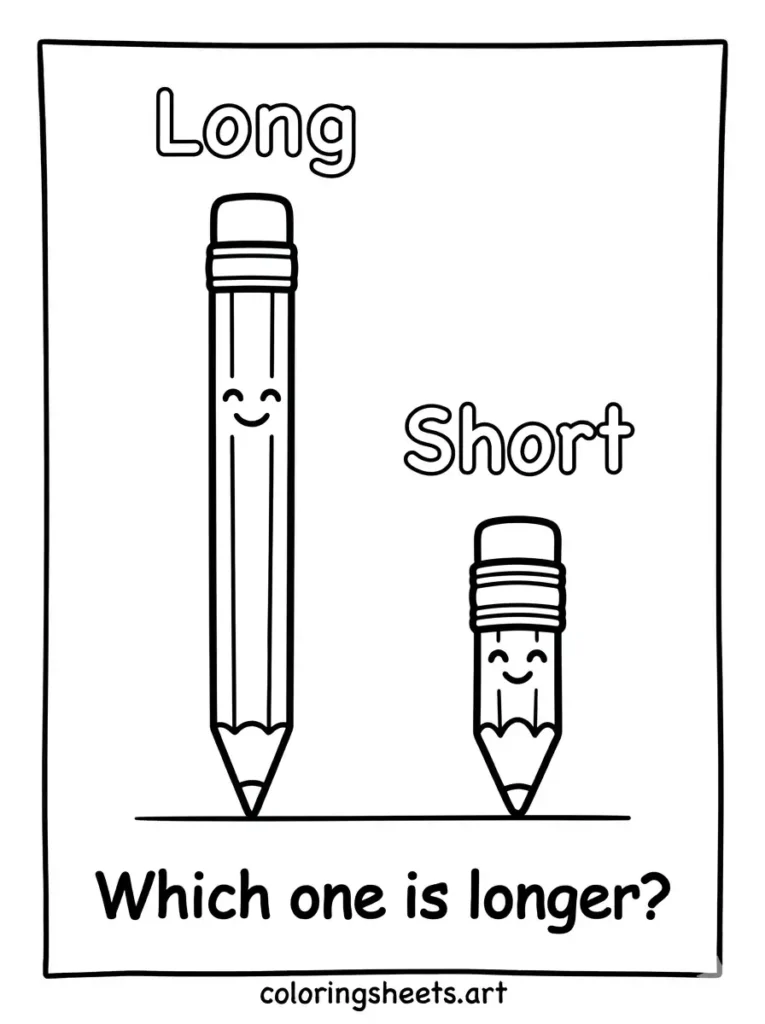
Side-by-side length comparison between a brand new pencil and a stub.
Thick vs Thin Pencil Comparison
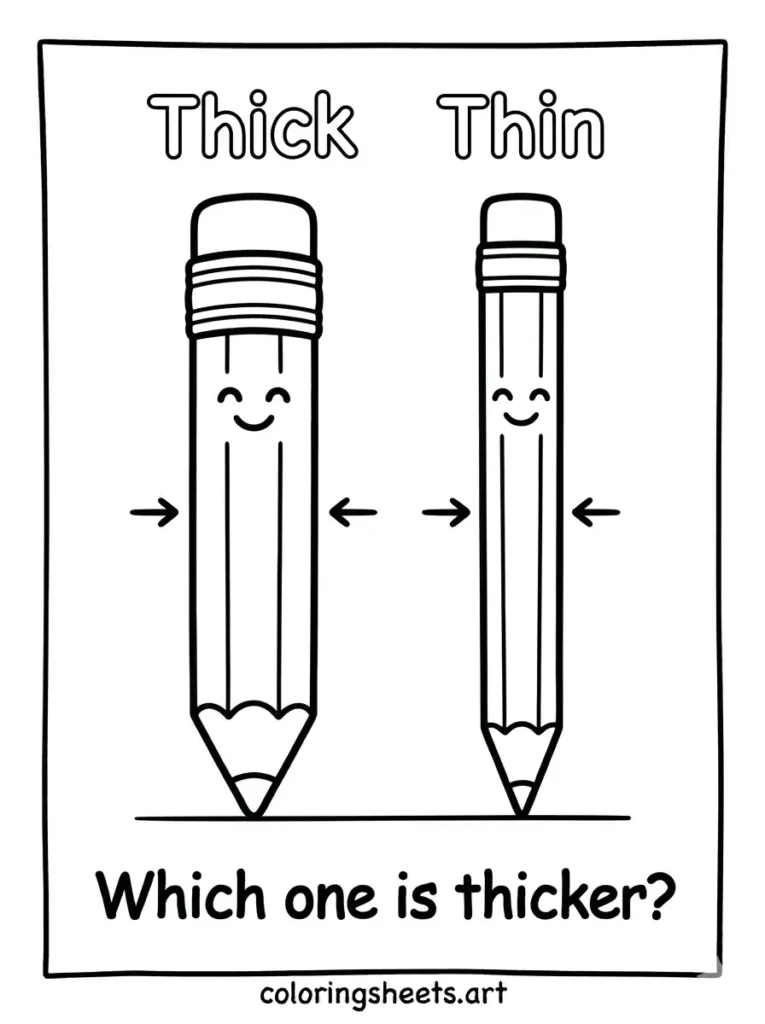
Side-by-side thickness comparison between a jumbo and standard pencil.
Sharp vs Blunt Pencil Tip
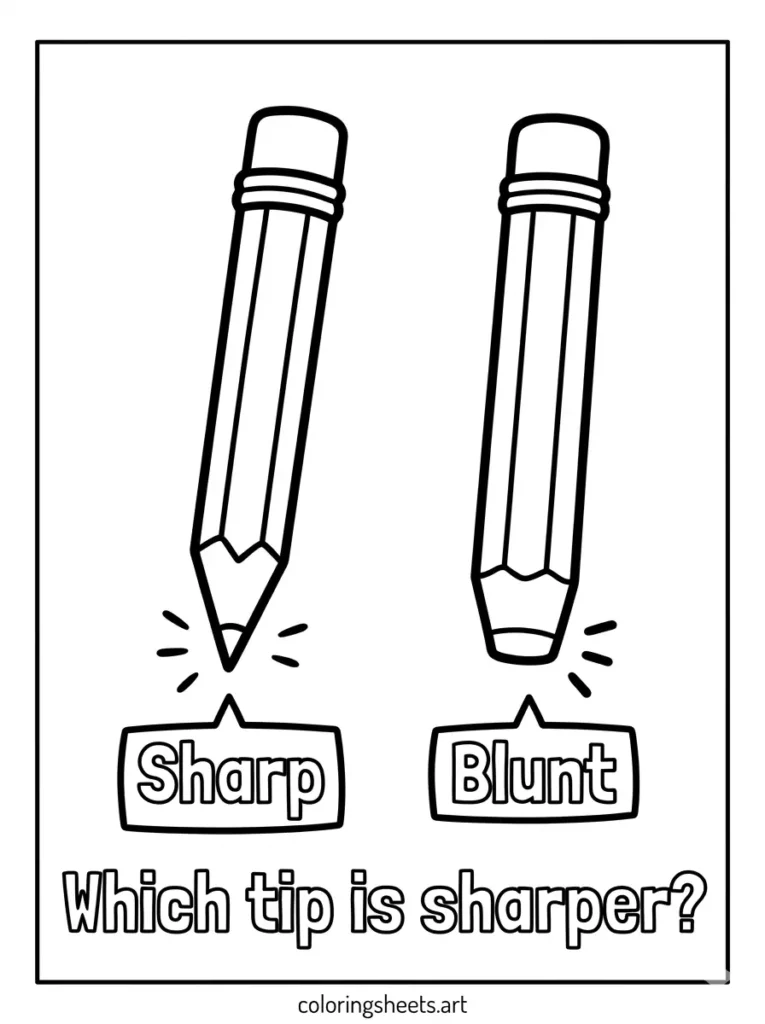
Tip comparison showing a freshly sharpened pencil next to a dull tip.
New vs Worn Pencil Comparison
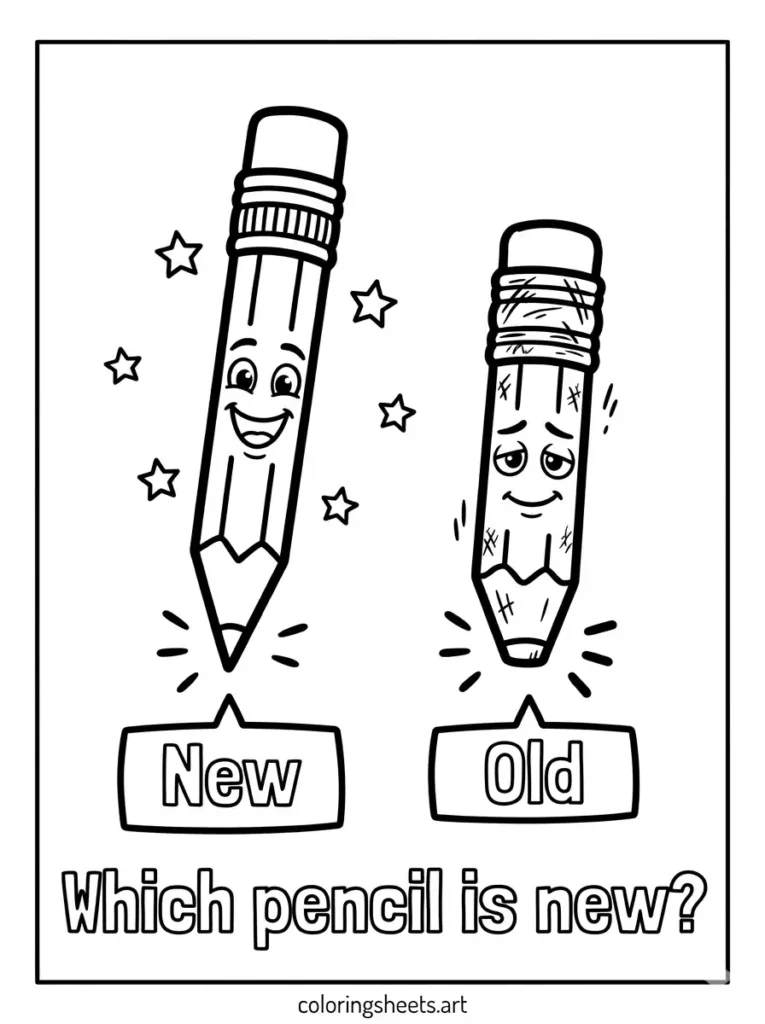
Condition comparison contrasting a brand new pencil with a worn pencil.
Wooden vs Mechanical Pencil
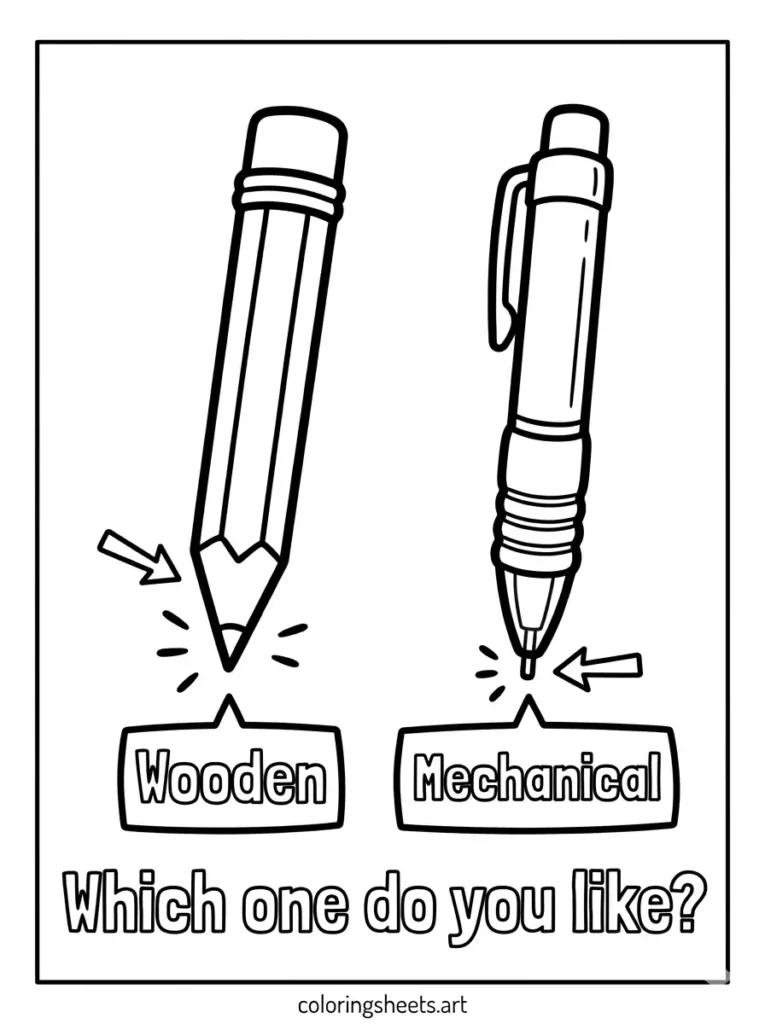
Side-by-side comparison illustrating a classic wooden pencil and a mechanical pencil.
Eraser Top vs Flat Top Pencil
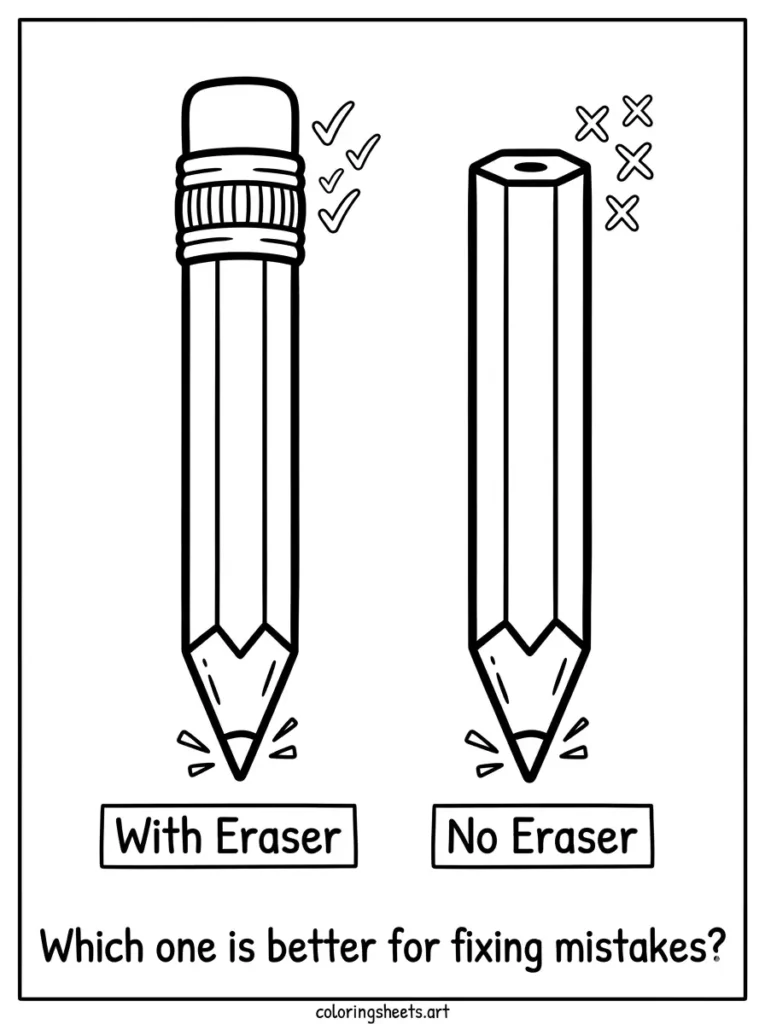
Feature comparison showing a pencil with an eraser top versus a plain end.
Tips for Kids: How to Color Your Pencil Pages Like a Pro!
Whether you’re using crayons, colored pencils, or markers, here are some fun tips to help you make your coloring pages look amazing. (And if you want to learn even more about why coloring is so great for your brain and creativity, check out our article on the benefits of coloring for kids!)
Choose Your Colors First
Before you start coloring, lay out all your colors and pick which ones you want to use. For the pencil bodies, try using your favorite colors — reds, blues, purples, or even rainbow! The wooden tip part of most pencils looks great in light brown or tan.
Color the Big Sections First
Start with the largest open areas first, like the pencil body. Then move on to the smaller details like the metal ferrule (that little band near the eraser), the eraser itself, and the sharpened tip. This way you won’t accidentally smear a section you already colored.
Make Each Pencil Different
Especially on the arrangement pages (like the row, fan, starburst, or pyramid), try to give every single pencil its own unique color. It makes the page look so much more fun and vibrant when no two pencils match!
Use Light Colors First
If you’re using colored pencils, start with the lightest colors and layer darker ones on top. This gives your pencils a beautiful, rich look without going outside the lines.
Try the Eraser in Pink!
Most real pencils have a pink eraser — so if you want your page to look realistic, color the little eraser at the top of each pencil in light pink or peach. It’s a small detail that makes a big difference!
The Comparison Pages Are Perfect for Learning Colors
On the Pencil Comparisons pages (like long vs. short or thick vs. thin), try coloring the two pencils in completely different color schemes. For example, make the long pencil blue and the short pencil red. It helps your eyes spot the difference even faster!
For the Mandala and Starburst Pages
These pages have lots of sections, which makes them super fun to color with many shades. A great trick is to pick three or four colors that look nice together (like blue, purple, pink, and yellow) and repeat them in a pattern going around the circle. If you want to go deeper into mindful coloring, our guide on why mandala coloring reduces stress is a great read for parents and teachers. It gives the page a gorgeous, symmetrical look!
🏆 Frame Your Favorites!
When you’re done with a page you’re really proud of — especially the achievement and award pages — ask a grown-up to help you put it in a frame. Your finished pencil art makes a great gift for a teacher, grandparent, or someone special.