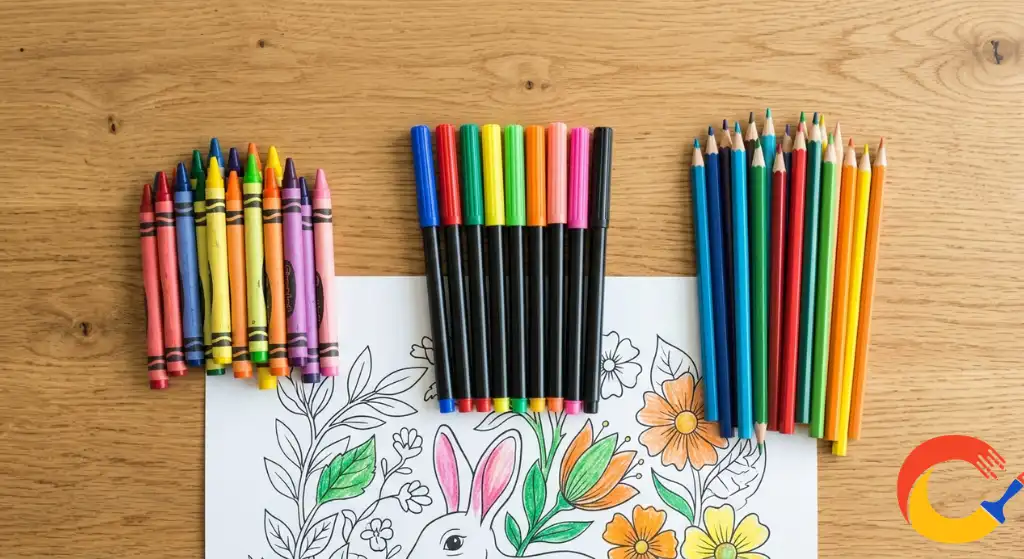
You hand your toddler a coloring page and a few crayons, and for the next twenty minutes, the house is quiet. As a parent, that quiet alone feels like a small miracle. But here’s the thing pediatric occupational therapists have known for years: that quiet isn’t just convenient for you. It’s actually your child’s brain and body doing some pretty important work.
Browse By Theme

Coloring gets dismissed sometimes as “just a craft,” something to keep kids busy between the more “real” learning activities. That’s not quite fair to it. A lot is going on in those twenty minutes, and most of it is stuff you’d actually want your pediatrician or preschool teacher to know is happening.
It’s Basically Hand Strength Training, Without the Boring Part
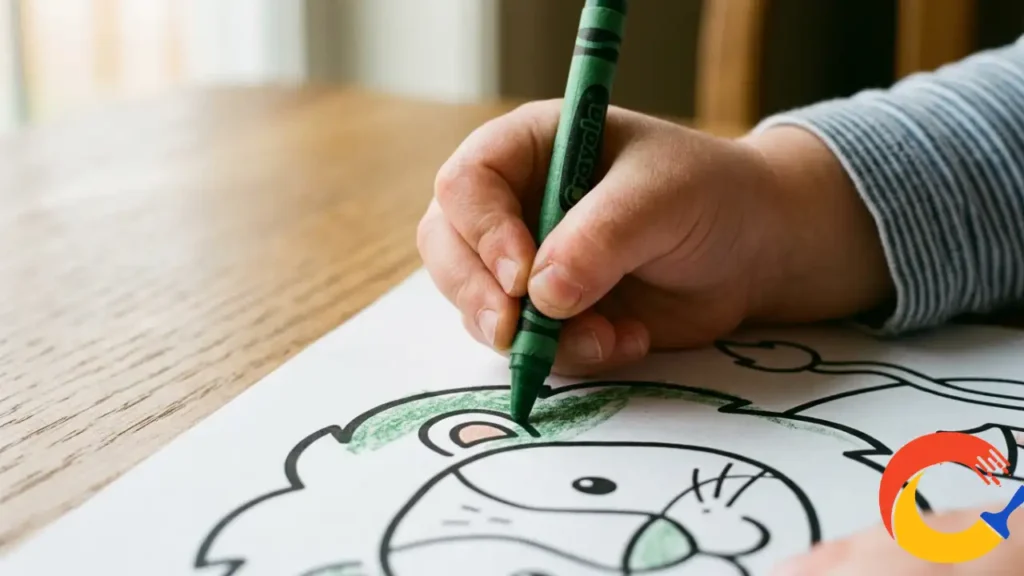
Before a child can write their name, hold scissors properly, or even button a coat, their hands need a certain amount of strength and control. Occupational therapists call this fine motor development, and crayons are one of the easiest, lowest-pressure tools for building it.
Gripping a crayon, controlling how hard to press, guiding it along a curve instead of letting it skid off the page — none of that is automatic for a four-year-old. It takes repetition. The good news is that a child practicing this skill doesn’t feel like they’re “practicing” anything. They’re just coloring a lion.
Speaking of which, if your child is still working on this, simpler shapes with thick, clear outlines make a real difference. Our lion coloring pages were designed with exactly that in mind — bold lines that are forgiving for smaller hands that haven’t quite found their precision yet.
The Eyes and Hands Have to Learn to Talk to Each Other
There’s a reason coloring “within the lines” gets brought up so much in early childhood development conversations. It’s not about neatness for its own sake. It’s hand-eye coordination, and it’s one of those quiet foundational skills that shows up later in things like catching a ball, copying letters off a whiteboard, or eventually typing.
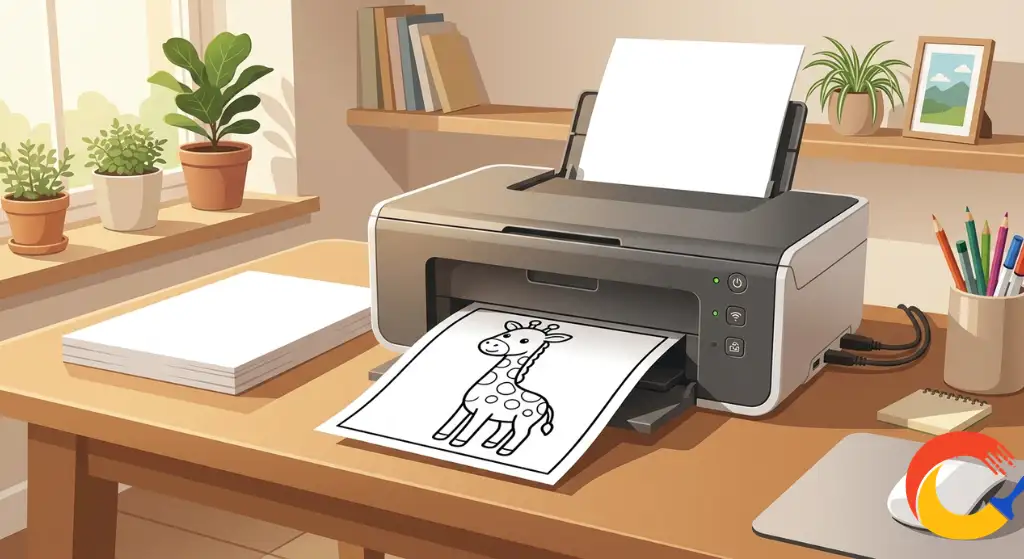
When a kid is tracking the edge of a giraffe’s long neck with their eyes while their hand tries to follow that same path with a crayon, that’s real-time coordination practice. Animals with varied shapes are genuinely useful here, not just cute. A giraffe coloring page, with its long curves and odd angles, asks a bit more of that hand-eye connection than a plain circle would.
Twenty Minutes of Focus Is Harder to Come By Than It Used To Be
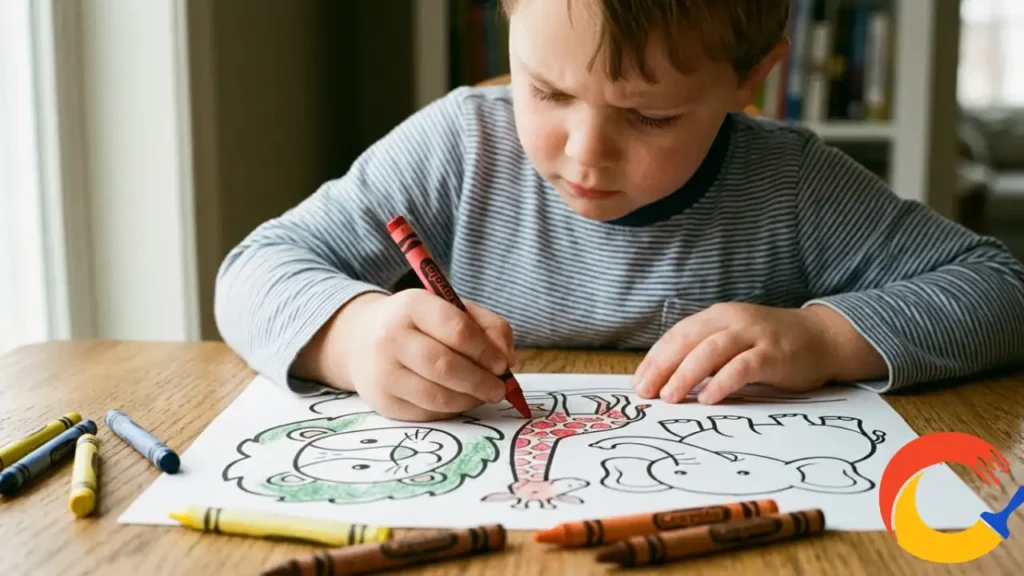
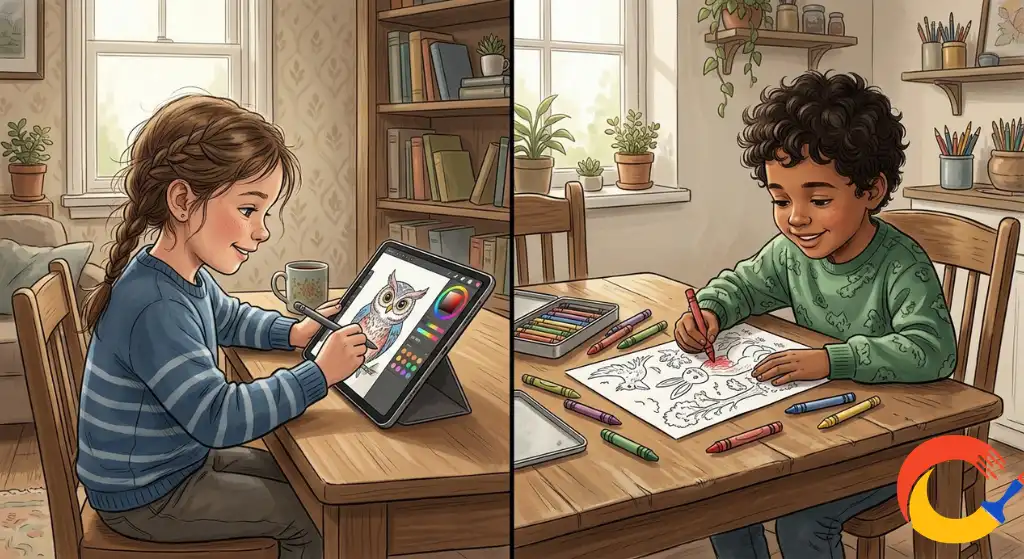
This one probably doesn’t need much convincing if you’re a parent in 2026. Attention spans are under more pressure than ever, between tablets, fast-cut shows, and apps designed to grab attention in three-second bursts. The American Academy of Pediatrics recommends limiting screen time for young children partly for this reason, and a coloring page is one of the few things left that asks a child to slow down and stay with one task for a while.
That sustained attention is a skill in itself, separate from the actual art. The ability to sit with something, not finish it instantly, and keep going until it’s done — that’s a muscle, and it gets used every time a kid works through a page with several animals on it, like our zoo animals coloring pages, which give kids a reason to stick around a little longer than a single-image page would.
It’s a Safe Place to Make Choices
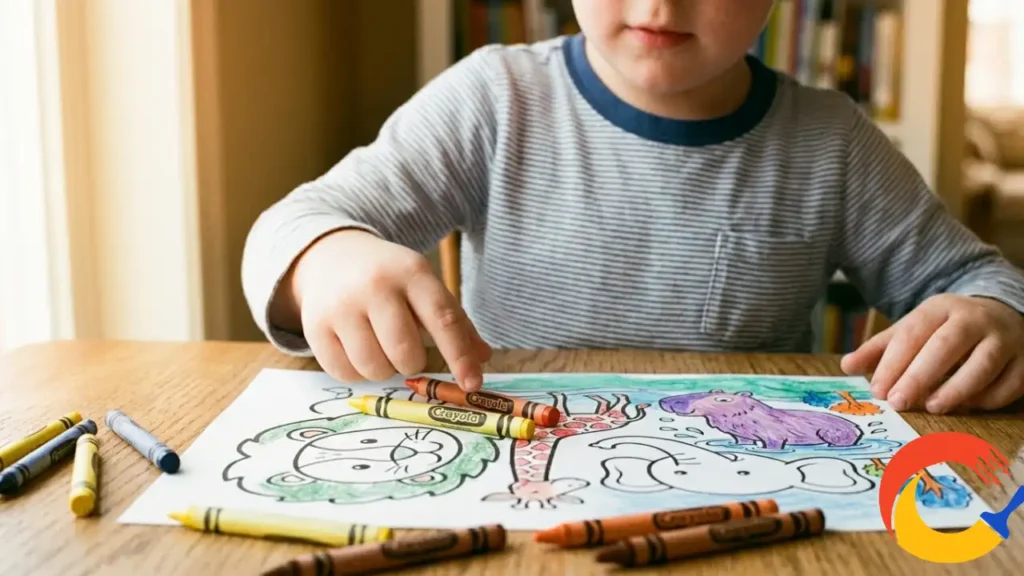
Every time a child picks up a color, they’re making a decision. Should the elephant be gray or purple? Does the sky need to be blue, or can it be whatever they feel like? These choices seem small, but for a young child, having low-stakes decisions to make, with no wrong answers, is genuinely valuable. It builds a kind of early confidence in their own judgment, separate from needing approval at every step.
This is part of why coloring pages with a bit of personality work so well. Our capybara coloring pages tend to be a hit with this age group specifically because the designs are a little silly and a little charming, which seems to invite kids to get more playful with their color choices instead of just trying to “get it right.”
There’s a Calming Effect, and It’s Not Just in Your Head
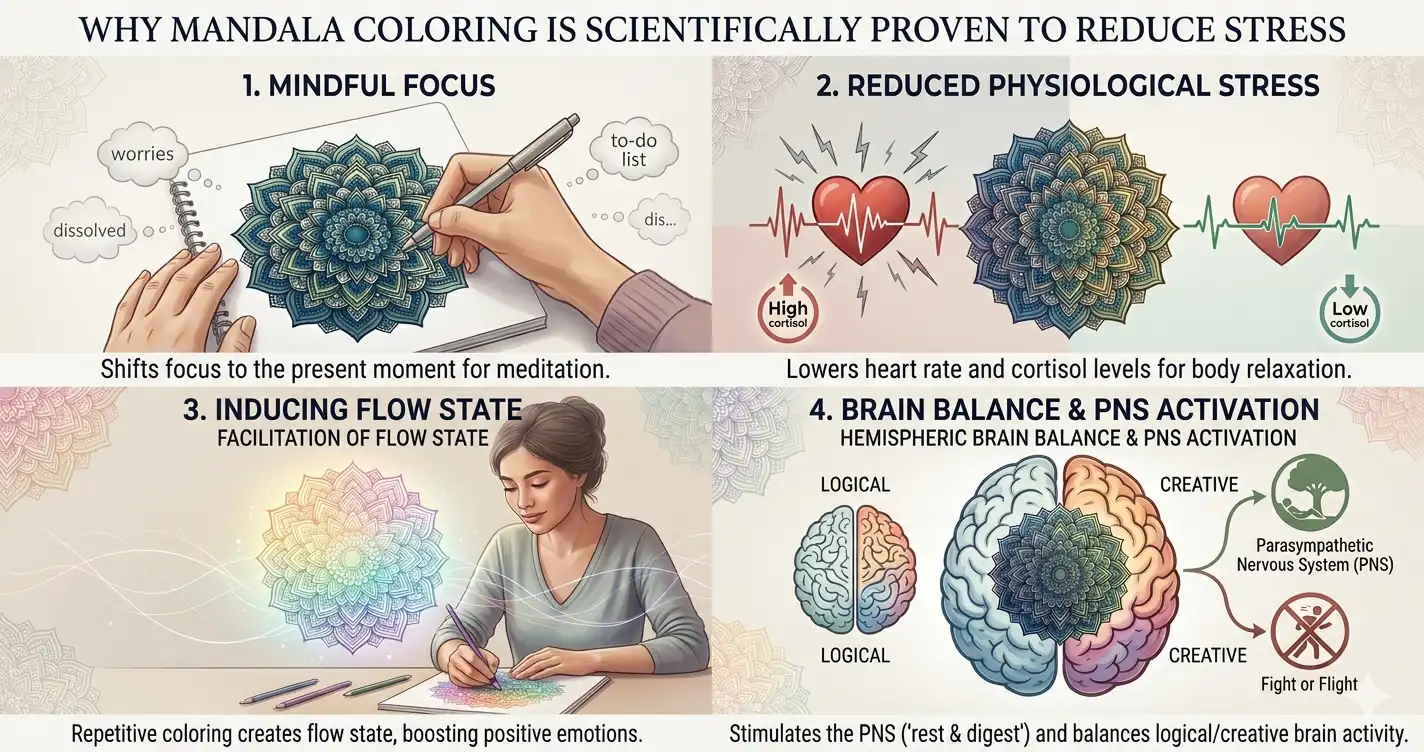
You’ve probably noticed this already if you’ve used coloring as a wind-down activity before bed or after a long day at daycare. Kids do seem to settle when they color. This lines up with what’s understood about repetitive, low-pressure activities and their calming effect on the nervous system, the same basic principle that makes adult mandala coloring so calming, just in a kid-sized version.
For a child who’s had a big day, sometimes the most useful thing a parent can offer isn’t a conversation about feelings. It’s a quiet activity that lets their nervous system come down on its own terms.
Finishing Something Matters More Than It Seems
There’s a particular kind of pride on a kid’s face when they hold up a finished page. They started with blank lines and made something. That cycle, start to finish, effort to result, is one of the earliest versions of a skill they’ll need for the rest of their life: the ability to stick with something until it’s done and feel good about that.
It doesn’t need to be complicated to count. A single finished lion taped to the fridge teaches the same lesson as a finished school project years later, just at a much smaller scale.
A Few Minutes, Not a Whole Curriculum
None of this requires turning coloring into a structured “lesson.” That’s honestly the best part. A few minutes before dinner, a stack of pages in the car for a long drive, or a rainy Saturday afternoon is enough. The benefits build quietly, page by page, without needing a formal plan behind them.
What does help is variety. Rotating through different animals and themes keeps things interesting enough that kids stay engaged instead of losing interest in the same handful of pictures. If you’re looking to mix things up, our full animal coloring pages collection is a good place to find something new for the next quiet afternoon.
A Quick Cheat Sheet for Busy Parents
If you only remember one thing from this article, remember this: the page doesn’t have to be fancy for the benefits to count. Here’s a simple way to match the activity to what your child needs that day:
- Restless after school? A page with several animals to color, like the zoo animals set, gives them a longer task to settle into.
- Working on pencil grip or just starting out? Stick with bold, simple shapes like the lion pages so they’re not fighting tiny details.
- Need a calm-down activity before bed? Keep it low-pressure and familiar. A favorite character, like the capybara pages, works well precisely because there’s no pressure to “get it right.”
- Looking to challenge hand-eye coordination a bit more? Try shapes with more curves and angles, like the giraffe pages.
There’s no wrong choice here. Even handing your child whatever page is on top of the stack still checks every box on this list. The real win is just making coloring a regular, easy-to-reach option in your home.