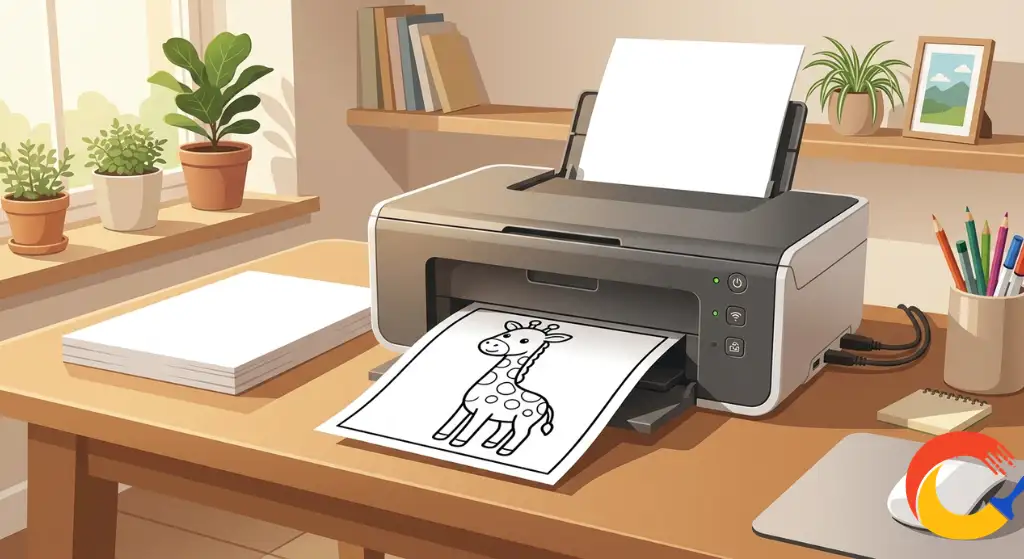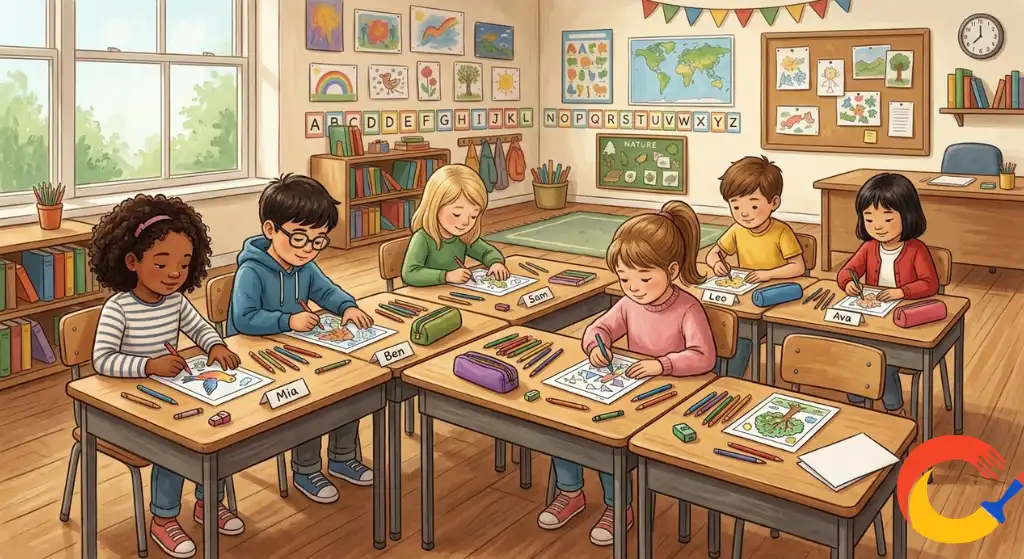

My daughter colors on an iPad most weeknights and on paper almost every weekend, and watching that split happen naturally over the past year taught me more about this topic than any side-by-side comparison could have. It wasn’t a decision either of us made deliberately. It just settled into a pattern based on what each moment actually called for, and once I paid attention to why, the whole “digital versus printed” question stopped feeling like a debate with a right answer and started feeling like two different tools that happen to do the same basic job differently.
Browse By Theme


If you’re trying to figure out which way to go, for your own kids, your classroom, or honestly just for yourself on a stressful evening, the answer really does depend on what you’re optimizing for in that particular moment. Here’s what actually separates the two once you get past the surface-level “screens versus no screens” framing.
The Convenience Factor Is Real, and It Cuts Both Ways
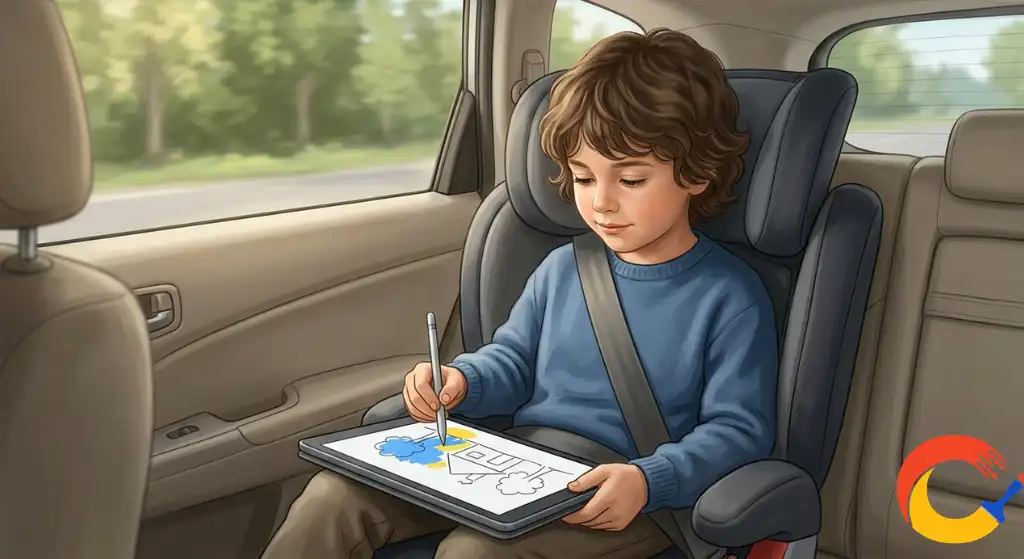
Digital coloring wins on pure logistics almost every time. There’s no printer to deal with, no ink running low at the worst possible moment, no hunting for a missing crayon under the couch. You open a tool like our Color Online feature, pick a design, and you’re coloring within fifteen seconds. For a quick activity in a waiting room, on a long car ride, or during the ten minutes before dinner’s ready, that immediacy is genuinely hard to beat.
But convenience isn’t the same as accessibility, and this is where printing quietly wins back some ground. A printed page doesn’t need a charged device, a stable WiFi connection, or a screen time allowance that’s already been used up for the day. For grandparents without a tablet handy, for classrooms where one-to-one devices aren’t available, or for the moment your kid’s iPad battery dies right when they need something to do, a stack of printed pages sitting in a drawer is its own kind of convenience that digital can’t replicate.
What Actually Happens to Fine Motor Skills
This is the part that gets oversimplified the most in either direction. People either insist digital coloring is “just as good” for motor development or dismiss it entirely as doing nothing useful, and neither extreme is quite accurate.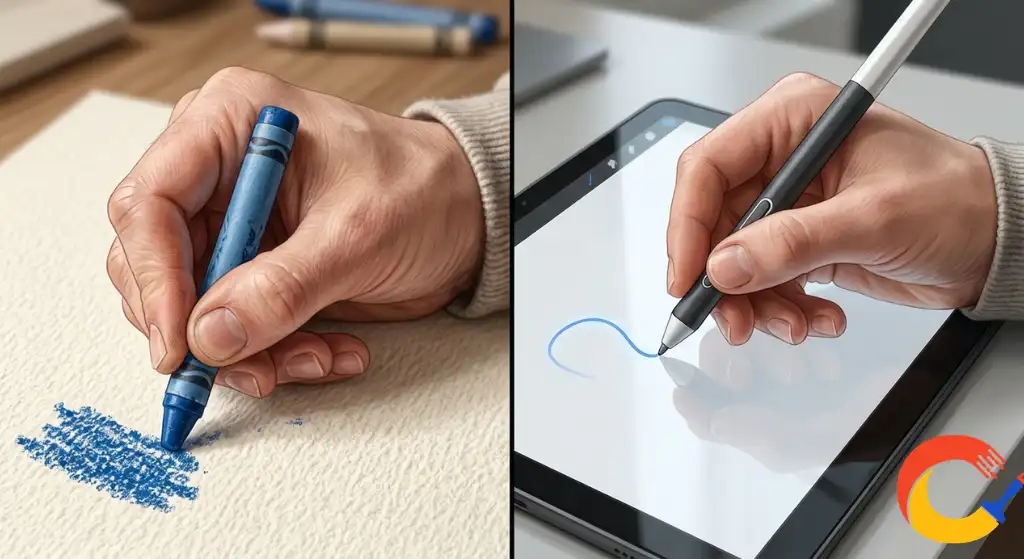
Coloring on paper with a real crayon or pencil involves grip strength, pressure control, and the physical resistance of a tool actually dragging across a surface, all of which contribute meaningfully to the fine motor development we’ve written about in our piece on the benefits of coloring for child development. A stylus or finger swiping across a glass screen simply doesn’t engage the same muscles or require the same precision, since there’s no real friction and often built-in “snap to line” assistance that does some of the work for the child.
That doesn’t mean digital coloring is developmentally worthless. It builds a different skill set, more around digital dexterity, color selection through menus, and the kind of screen-based fine motor control that’s genuinely useful in a world where kids will eventually need it anyway. It’s just not a direct substitute for what printed coloring does for hand development, especially for younger kids who are still building that foundation.
The Undo Button Changes the Psychology of Mistakes
This is something I didn’t expect to notice until I watched it happen repeatedly. On paper, a coloring mistake, going outside a line, picking the wrong color, is permanent. The kid has to either live with it, work around it, or start over on a fresh page. On a screen, there’s an undo button sitting right there, and kids use it constantly, sometimes undoing and redoing the same stroke five or six times trying to get it “perfect.”
This isn’t necessarily a bad thing, but it is a real difference worth knowing about. Some kids genuinely benefit from the lower-stakes environment digital coloring creates, especially perfectionistic kids who get visibly upset over paper mistakes that can’t be erased. For those kids, digital coloring removes a source of frustration that was getting in the way of them enjoying the activity at all.
On the other hand, kids who already struggle with patience or who fixate on getting things flawless sometimes spiral into using the undo button obsessively, turning a calming activity into a frustrating loop of small corrections. If that pattern shows up, switching back to paper, where a small imperfection simply has to be accepted and colored around, can actually be the better choice specifically because there’s no undo option to chase perfection with.
The Finished Product Question
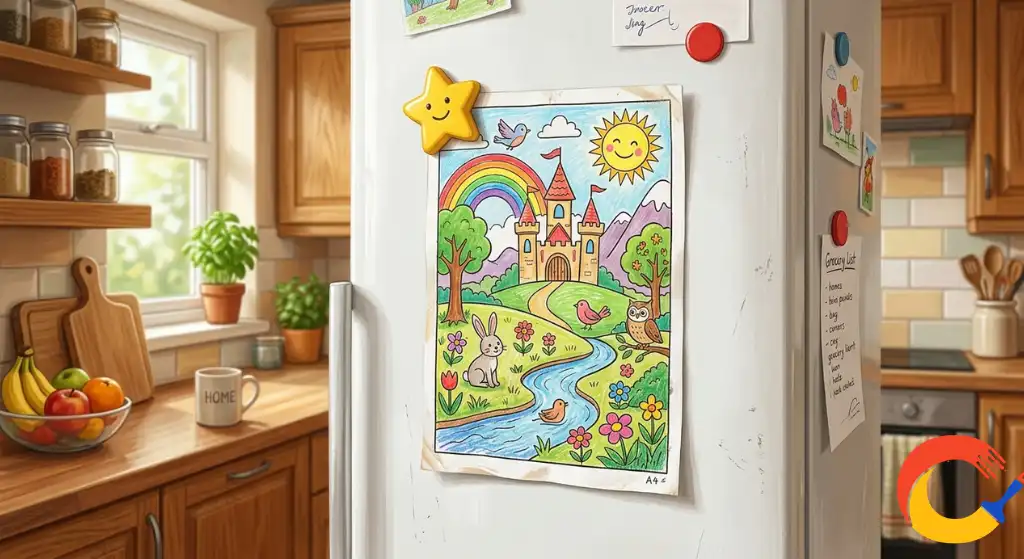
There’s something genuinely different about a piece of paper a kid can hold, tape to the fridge, or hand to a grandparent, versus a digital file that lives inside an app until someone remembers to print or share it. This isn’t a small detail. The physical object becomes a marker of accomplishment in a way a screen rarely replicates on its own, and I’ve noticed my own daughter is far more likely to show off a finished paper page unprompted than to pull up a finished digital one without being asked.
That said, digital coloring has its own version of this satisfaction if you take the extra step. Our Color Online tool allows high-resolution exports at print quality, which means a digital creation can become a physical printed keepsake after the fact, getting some of the best of both worlds, the convenience of digital coloring with the eventual payoff of something tangible.
Cost Adds Up Differently for Each Method
Printing costs money over time, ink, paper, and eventually a printer replacement, even when the coloring pages themselves are free. For families or classrooms printing frequently, this is a real ongoing expense worth factoring in, and it’s part of why we’ve put together a separate guide on how to print coloring pages at home that gets into stretching ink and paper further if cost is a concern.
Digital coloring has essentially zero ongoing cost once you have a device, which makes it the more budget-friendly option for frequent use, assuming the device itself isn’t a new purchase made specifically for this purpose. The tradeoff is that the device itself, if you don’t already own one suited to a young child, is a far bigger upfront cost than a ream of paper and a box of crayons ever will be.
Screen Time Considerations Are Worth Taking Seriously, But Not Dramatically
It’s tempting to frame this whole comparison as a screen time debate, but that framing oversells the concern in either direction. Digital coloring is a relatively low-stimulation, low-pace activity compared to most of what kids do on screens, no fast cuts, no algorithm-driven content feed, no autoplay pulling them toward the next thing. It sits much closer to a calm, focused activity than to the kind of screen use that pediatric guidance tends to caution against.
That said, if screen time limits are already a concern in your household, printed coloring is the obvious way to get the same calming, focused benefit without it counting against a daily screen allowance. Neither approach is inherently better here. It really comes down to what your family’s existing screen time situation looks like and whether digital coloring would be replacing more passive screen use or simply adding to an already full day of it.
When Each Method Actually Makes Sense
After going back and forth on this with my own kids for a while, the pattern that emerged wasn’t really about picking a winner. It settled into something more like this: digital coloring for quick sessions, travel, waiting rooms, or moments when a child needs something calming right now without setup time. Printed coloring for longer sessions, classroom settings, younger kids still building motor skills, or whenever the goal includes a physical, keepable result.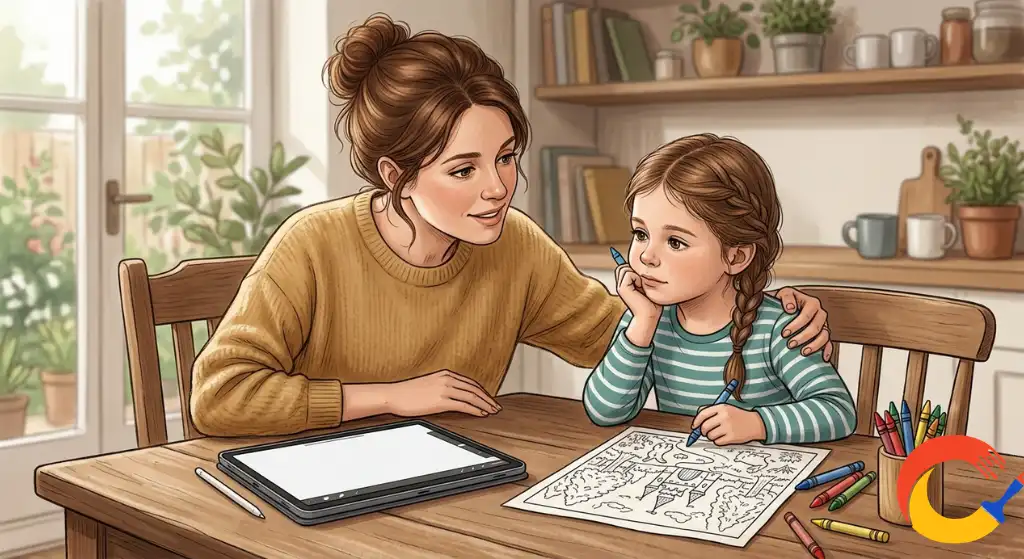
Plenty of families, ours included, end up using both depending on the day, and there’s nothing wrong with letting the situation decide rather than picking one method permanently. If you want to try both side by side, our Color Online tool is worth testing against a printed page from our full coloring pages collection to see which one your own kid actually gravitates toward once the novelty wears off.
For broader guidance on balancing screen-based and screen-free activities for kids, the American Academy of Pediatrics offers practical, non-alarmist recommendations that are worth a look if this is a bigger consideration in your household than it is in most.