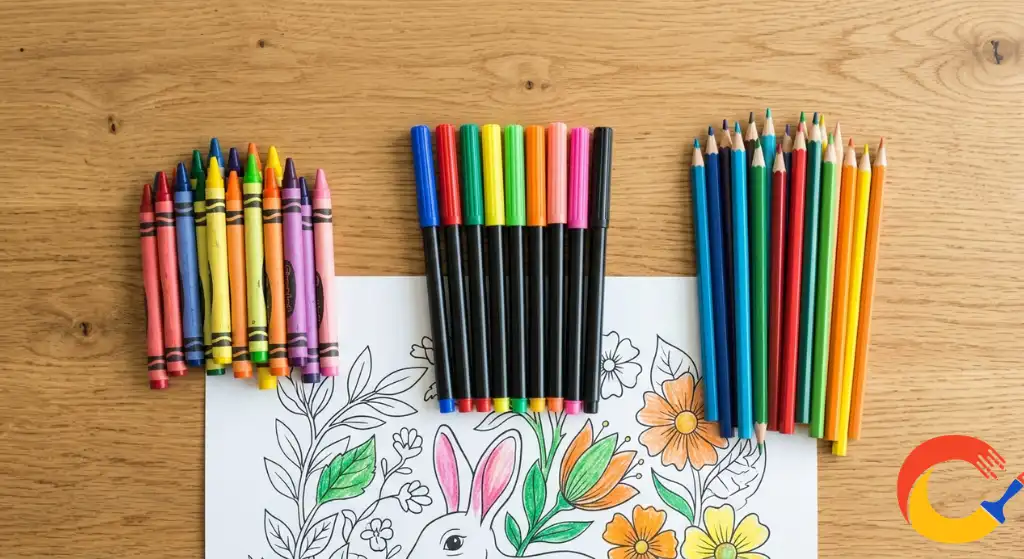

There’s a particular kind of silence that happens in a classroom when twenty-five kids are coloring at the same time, and if you’ve taught for more than a semester, you already know the one I mean. It’s not the silence of a worksheet, where half the room is staring at the ceiling waiting for someone else to finish. It’s a busier kind of quiet. Pencils moving, the occasional “can I borrow the orange,” someone humming without realizing it. That’s the sound of a classroom actually working.
Browse By Theme

I say this as someone who used to think coloring pages were a filler activity, something you pulled out when you had eight extra minutes before the bell or needed the room calm before an assembly. It took a few years of actually watching what coloring does in a classroom to realize it’s not filler at all. It’s one of the most flexible tools a teacher has, and most of us are only using about a third of what it’s actually good for.
So here’s everything I’ve picked up, tried, adjusted, and occasionally abandoned over the years, organized in a way that I hope is actually useful rather than just a list of “ideas” that sound nice but fall apart the second you try them with a real group of kids.
The “Five Minutes Isn’t Wasted” Activity
Let’s start with the obvious one, because it’s obvious for a reason. Transition time between lessons, the last stretch before lunch, the chaos right after recess when everyone’s still half outside in their head. A single coloring page handed out at the right moment does something that a verbal “okay, settle down” rarely manages on its own. It gives hands something to do, which for a lot of kids is the actual missing ingredient for getting their attention back in the room.
The trick that took me embarrassingly long to figure out is keeping a rotating folder of quick, simple pages specifically for this purpose, not the detailed ones meant for a full art period. Something like a simple mandala page works well here because it’s calming without requiring a ton of explanation, and a kid can pick it up mid-thought and still feel like they accomplished something in five minutes.
Turning a Coloring Page Into an Actual Lesson
This is where it stops being filler. A coloring page is, structurally, just an outline waiting for information. That makes it a surprisingly good vehicle for content you’re already teaching, especially in elementary grades.
If you’re covering animal habitats, pairing a coloring page with one fact per animal turns the activity into low-key content review. Kids color while you (or a worksheet, or a partner) read off a quick fact, and somehow the information sticks better than it does during a straight lecture. I’ve used our zoo animals coloring pages for exactly this, going around the room with one fact per animal while kids work, and the retention the next day is noticeably better than after a regular read-aloud.
The same logic works for Sunday school and faith-based classrooms covering Bible stories. A coloring page tied to the day’s lesson, like the ones in our kids Bible coloring pages collection, gives children something to focus on while a story is being told, rather than just sitting and listening. For younger classes especially, the combination of hearing a story while coloring a related image tends to hold attention far longer than either activity does on its own.
The Group Mural (Higher Effort, Genuinely Worth It)
This one takes more setup, so I won’t pretend it’s a five-minute idea, but it’s one of the activities kids remember months later, which says something.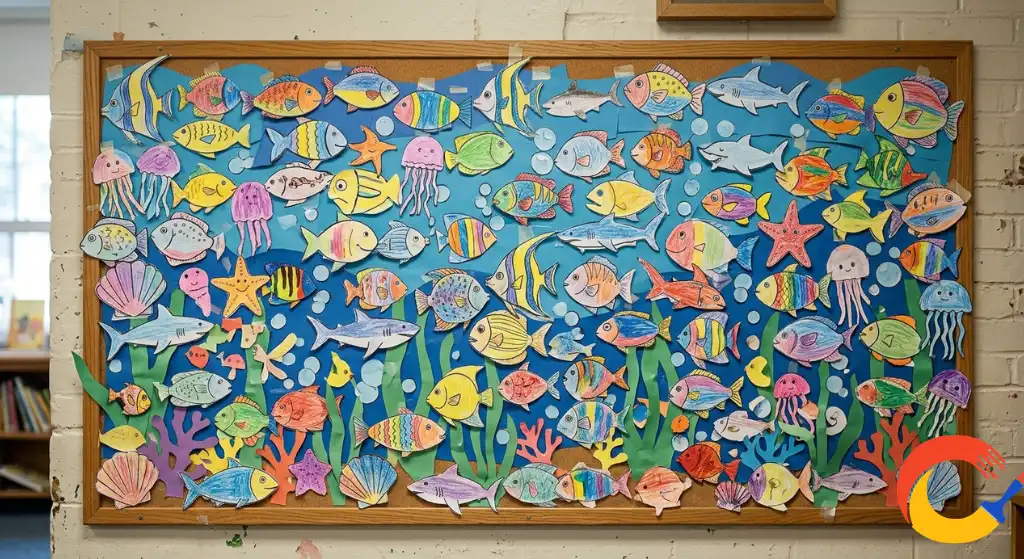
Print a full set of pages from a themed collection, hand each kid one page, and once everyone’s done coloring, tape all the finished pages together into one giant scene on a wall or bulletin board. A full ocean coloring pages set works particularly well for this because the individual pages naturally combine into something that looks like a single underwater scene, even though twenty different kids colored twenty different fish and shells in twenty different color schemes.
What makes this work isn’t really the art. It’s that every single kid contributed a visible piece to something bigger than their own desk, and that’s a different feeling than turning in an individual worksheet. I’ve had quieter kids, the ones who rarely volunteer for anything, get genuinely excited pointing out “that’s my fish” to a parent during open house.
Coloring as a Calm-Down Tool, Not Just a Reward
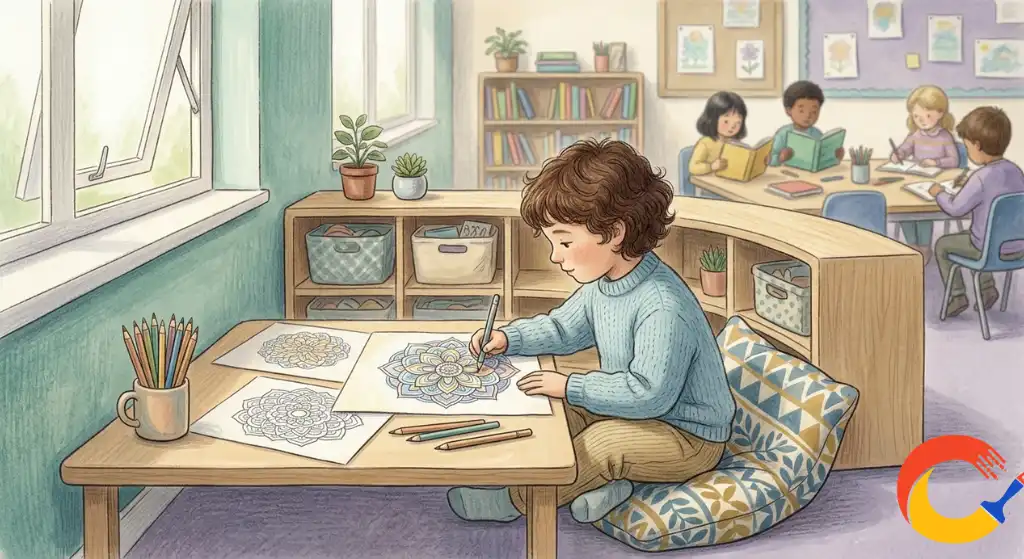
A lot of classroom management systems use coloring as a reward, something you earn after finishing other work. That’s fine, but it overlooks a more useful version of the same tool: coloring as a way to actually regulate, not just a prize for already being regulated.
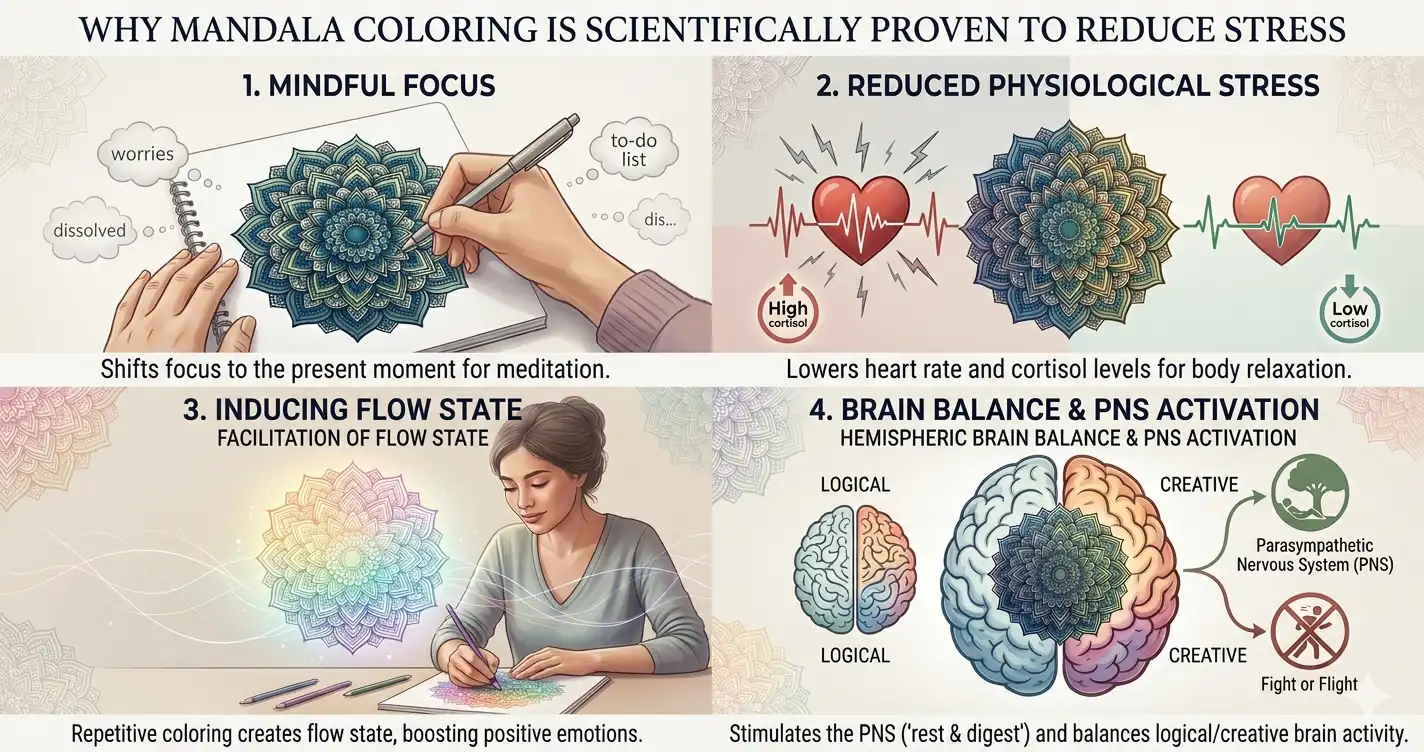
Keeping a small, separate stack of calming pages, things with repetitive patterns rather than detailed scenes, gives you something to hand a kid who’s overwhelmed, frustrated, or just needs five minutes away from a group task without it feeling like a punishment or a time-out. Our flower mandala pages get used this way in a lot of classrooms we hear from, partly because the repetitive petal patterns genuinely seem to have a settling effect, similar to what’s been observed in research on mandala coloring and stress reduction more broadly. If you want the fuller explanation of why this actually works on a neurological level, it’s worth reading why mandala coloring reduces stress, which goes into the research behind it in more detail than I can fit here.
This distinction matters more than it might seem. A kid who associates coloring only with “I finished my work” starts to see it as a reward they have to earn. A kid who has access to it as a regulation tool learns something closer to self-management, which is a far more useful long-term skill than just sitting quietly until the timer runs out.
Seasonal Pages as Soft Classroom Transitions
There’s a particular rhythm to a school year, and seasonal coloring pages are an easy way to mark it without much planning. The week before a holiday break, attention spans are already shot, and trying to push through a full lesson plan is usually a losing battle anyway. This is where a themed set, like back to school coloring pages in September or a Christmas-themed collection right before winter break, earns its place without feeling like you’ve given up on instruction for the day.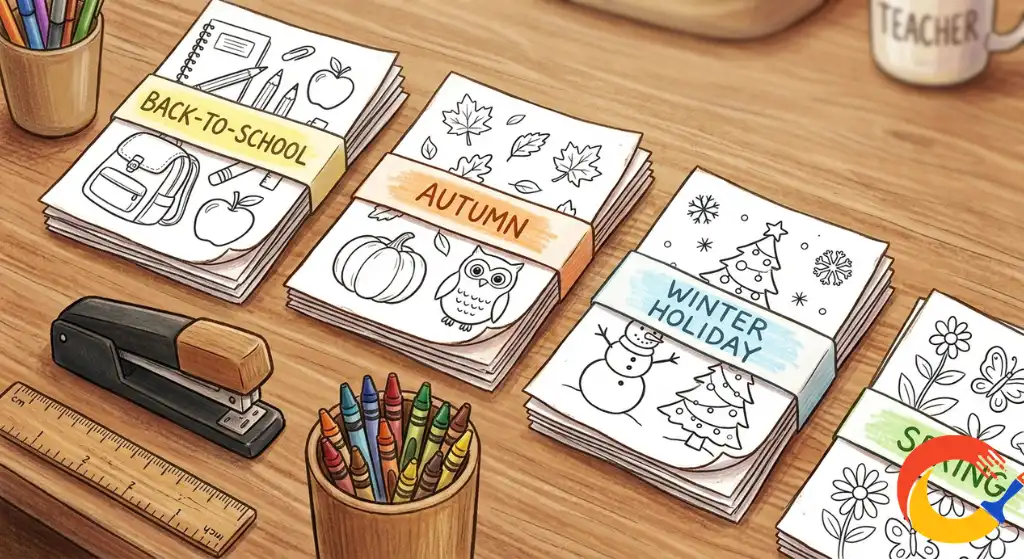
I’d add one practical note here: print these in batches ahead of time, not the morning you need them. The week before a break is exactly when the copier is being hogged by every other teacher with the same idea.
A Quiet Companion for Read-Aloud Time
This is a smaller idea, but it’s one of my favorites because it costs almost nothing to try. During read-aloud time, especially for picture books or longer chapter books read in installments, having a stack of loosely related coloring pages available for kids who finish their other work early, or who simply listen better with their hands occupied, keeps the room calmer without anyone needing to leave their seat or ask for something new.
For Bible-based classrooms, this pairs especially well with our Bible quotes coloring pages, letting younger students sit with a relevant verse and an image at the same time the story is being read aloud, which seems to help the message land a bit more gently than reading or coloring alone would.
Printing Logistics, Because This Is Always the Real Bottleneck
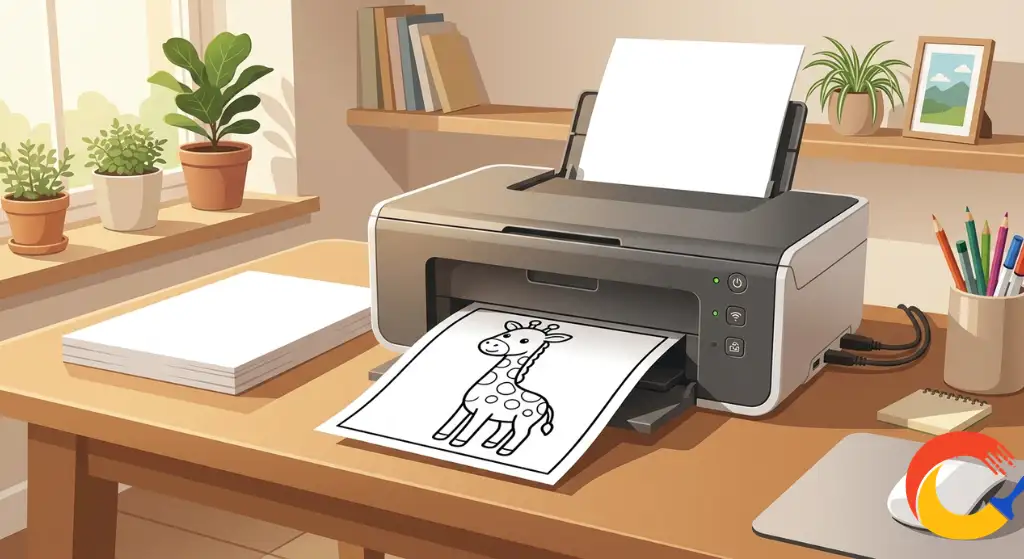
No classroom coloring activity survives contact with reality if the printing falls apart, and this is the part nobody warns new teachers about. If you’re printing for an entire class regularly, it’s worth reading through our full guide to printing coloring pages at home, which covers paper choice, print settings, and the small adjustments that make a real difference when you’re running off thirty copies instead of one.
A quick version for classroom use specifically: print on whatever paper your school supplies, draft quality is genuinely fine for quick activities where detail doesn’t matter much, and save your better paper and settings for anything going home to a parent or into a mural display.
A Final Thought on Why This Actually Matters
It would be easy to treat all of this as a bag of tricks for keeping kids occupied, and on the surface, that’s part of what it is. But there’s something underneath it worth naming directly. A classroom that has quiet, low-pressure activities woven into its rhythm, not just academic tasks back to back, tends to feel different to sit in. Kids regulate better. Transitions go smoother. The handful of students who struggle most with traditional instruction often find their footing during exactly these moments.
Coloring isn’t going to replace your curriculum, and it shouldn’t try to. But used well, in the specific moments where it actually fits, it does something that’s genuinely hard to replicate with anything else in a teacher’s toolkit. It gives a room permission to slow down for a few minutes, and most classrooms, and most kids, need that more than we tend to plan for.
If you’re building out a classroom coloring stash for the first time, our full kids coloring collection and holiday-themed pages are a good place to start pulling together a rotating set that covers most of what’s outlined here.